1. Introduction to Excavator
1.1 What is an Excavator?
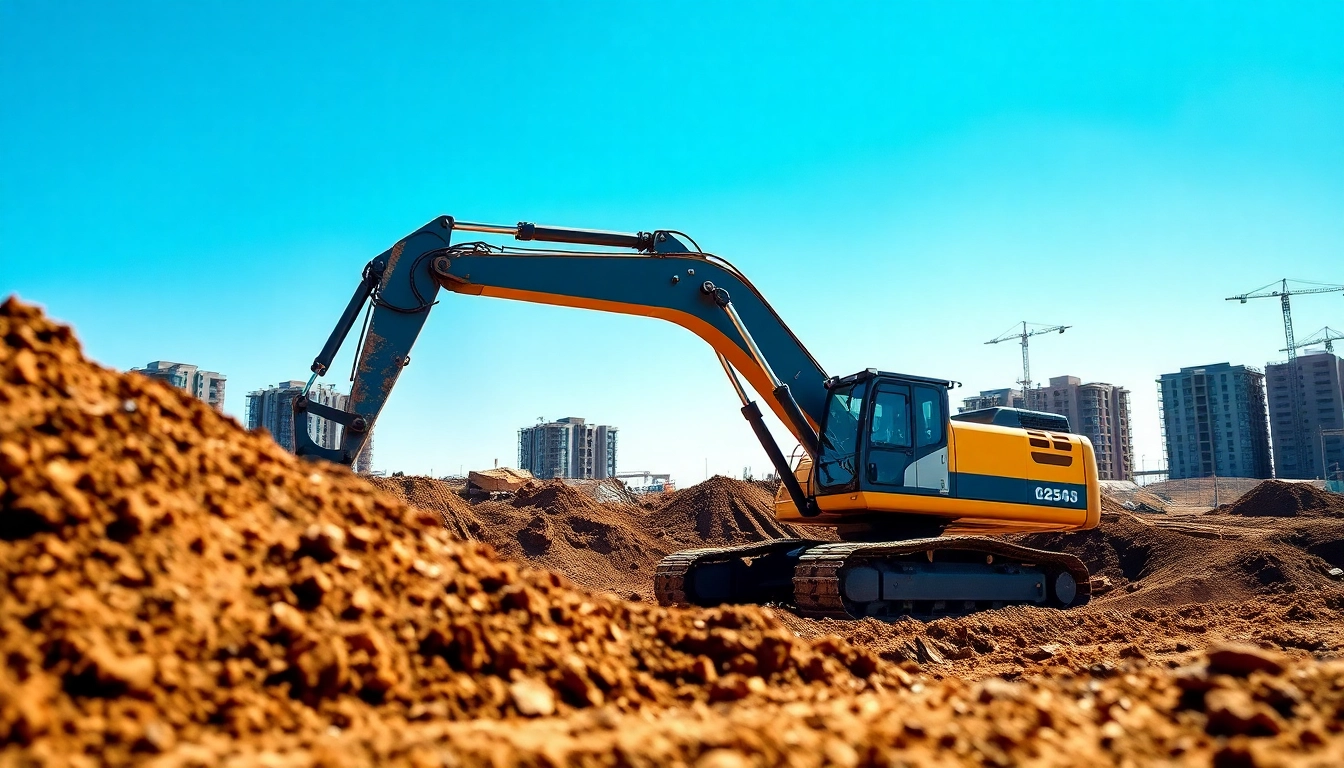
An excavator is a vital piece of heavy construction equipment that is designed for various tasks such as digging, trenching, material handling, and demolition. Typically consisting of a boom, dipper (or stick), bucket, and cab, excavators are mounted on a rotating platform known as the house. This design allows for a significant range of motion and versatility. The modern excavator can operate on tracks or wheels, providing enhanced stability and portability across different job sites. They are indispensable tools in both residential and commercial construction, as well as in industries such as mining and agriculture.
1.2 Main Uses of an Excavator
Excavators are highly versatile machines used in various tasks, including:
- Digging: They efficiently create trenches, holes, and foundations, making them essential for site development.
- Material Handling: Equipped with specialized attachments, excavators can lift and move heavy materials seamlessly.
- Demolition: They are used for demolishing buildings and structures, clearing debris quickly and safely.
- Landscaping: Excavators help shape land and manage earthmoving in landscaping projects, including drainage systems.
- Mining and Quarry Operations: Their capabilities make them ideal for extracting minerals and processing aggregates.
1.3 Components of an Excavator
The functionality of an excavator is driven by several essential components:
- Cab: The operator's control center, where they maneuver the machine using controls and displays.
- Boom: The long arm extending from the house, which supports the dipper and bucket.
- Dipper (Stick): The segment that connects the boom to the bucket, enabling forward and backward movement.
- Bucket: The attachment at the end of the dipper, used for digging and scooping materials.
- House: The rotating section that contains the cab and engine, allowing for 360-degree movement.
- Undercarriage: The base assembly that supports the excavator, equipped with either tracks or wheels.
2. Types of Excavators
2.1 Mini Excavators
Mini excavators, also known as compact excavators, are smaller in size and designed to work in confined spaces. They are lightweight, versatile, and ideal for residential projects, landscaping, and utility work. Typically, these machines are equipped with a range of attachments, such as buckets, augers, and hydraulic hammers, making them suitable for various tasks without compromising performance.
2.2 Standard Excavators
Standard excavators are larger and more powerful machines suitable for heavy-duty tasks. They are used in construction sites, large-scale projects, and major infrastructure work. With a variety of bucket sizes and other attachments available, these excavators can handle significant load capacities and facilitate complex operations.
2.3 Specialized Excavators
Specialized excavators are built for specific tasks or challenges. Some examples include:
- Long-Reach Excavators: These are designed for work at significant distances, such as dredging and deep trenching.
- Hybrid Excavators: Using a combination of traditional and electric power, these machines reduce emissions and fuel consumption.
- Wheeled Excavators: Particularly useful for quick movements between job sites, these excavators combine the mobility of trucks with excavation capabilities.
3. Choosing the Right Excavator
3.1 Key Factors to Consider
When selecting an excavator, several considerations come into play, including:
- Job Type: Determine the primary tasks the excavator will perform—digging, material handling, demolition, etc.
- Site Conditions: Assess the terrain, space constraints, and accessibility of the job site.
- Weight Capacity: Choose an excavator that can handle the required load and excavation depth.
3.2 Evaluating Job Requirements
Understanding the specifics of each job can help narrow down excavator choices. Factors like the size of the project, length of time on-site, and particular site challenges should all influence the decision-making process. For example, small landscaping tasks may only require a mini excavator, while larger civil engineering projects may necessitate a conventional excavator with higher horsepower.
3.3 Cost Considerations
The financial aspect of acquiring an excavator must be carefully evaluated. Consider costs associated with the purchase or rental, maintenance, fuel consumption, and operational expenses. Budget constraints may lead some to opt for used equipment, while others might prefer new models for their efficiency and reliability.
4. Operating an Excavator Safely
4.1 Safety Gear and Precautions
Safety is paramount when operating an excavator. Operators should wear appropriate personal protective equipment (PPE), including helmets, gloves, and steel-toed boots. Pre-operation checks should be conducted to ensure all components are functioning correctly, and barrier systems should be in place to protect other workers on-site.
4.2 Common Operating Techniques
Whether experienced or a beginner, several operating techniques must be mastered, including:
- Digging: Operators should angle the bucket correctly and maintain a steady pace to ensure efficient digging.
- Loading: Positioning the excavator to optimize bucket load capacity while maintaining balance is essential.
- Swinging: Operators must be cautious when swinging the boom, ensuring that the area around is clear of obstacles and personnel.
4.3 Troubleshooting Common Issues
Operators may encounter various issues during excavator operation, such as hydraulic failure, engine problems, or electrical issues. Conducting routine inspections and maintenance checks helps identify potential problems early on. Familiarity with emergency procedures and having a troubleshooting guide on hand can significantly enhance safety and effectiveness.
5. Future Trends in Excavator Technology
5.1 Innovations in Excavator Design
Excavator technology continually evolves to improve efficiency and functionality. Innovations like advanced hydraulic systems, integrated electronic controls, and ergonomic cab designs are reshaping what operators can expect from modern excavators. Enhancements in fuel technology are also paving the way for more efficient machines with reduced environmental impact.
5.2 The Impact of Automation
Automation is beginning to play a significant role in excavator operation. Semi-autonomous systems, which assist operators with certain tasks, are being developed to improve precision and reduce labor costs. As these technologies advance, we can anticipate a future where fully autonomous excavators are commonplace on construction sites, enhancing productivity and safety.
5.3 Sustainability and Eco-Friendly Excavators
Given the global push for sustainability, the construction industry is experiencing a shift towards more eco-friendly excavators. These innovations include electric-powered machines and models that meet strict emissions standards, helping reduce the carbon footprint associated with construction activities. Companies are increasingly investing in greener technology to align with environmental goals and regulations.
FAQs
1. What types of work can an excavator perform?
An excavator can perform various tasks such as digging trenches, lifting materials, demolition, landscaping, and mining. Its versatility makes it essential in numerous industries.
2. How much does an excavator cost?
The cost of an excavator can range significantly. New full-size excavators might cost $100,000 to $500,000, while mini excavators usually range from $80,000 to $150,000. Used models are typically more affordable.
3. What safety measures should be taken while using an excavator?
Always wear personal protective equipment, conduct pre-operation safety checks, and ensure the work area is clear of personnel before operating the machine.
4. How do I maintain an excavator?
Regular maintenance includes checking fluid levels, inspecting hydraulic systems, greasing components, and ensuring that filters are clean. Schedule annual inspections for optimal performance.
5. What are mini excavators ideal for?
Mini excavators are perfect for small projects requiring maneuverability, such as residential landscaping, utility work, and jobs in tight spaces. Their compact size is a significant advantage.
Contact Information
Call Us: 4062607988Address: 3906 MT-40, Columbia Falls, MT 59912