Understanding Integrated Modular Systems
In the evolving landscape of industrial solutions, Integrated Modular Systems stand out as a transformative approach to optimizing operational efficiency and adaptability. These systems integrate various functional modules into a cohesive framework, allowing for enhanced performance in numerous applications, particularly in water treatment. As industries face rising demands for sustainability and efficiency, the need to leverage modular technology becomes increasingly apparent. When exploring options, Integrated Modular Systems provide comprehensive insights into addressing these challenges through innovative solutions.
Definition and Overview of Integrated Modular Systems
Integrated Modular Systems refer to a unified framework that combines multiple modules designed to function together effectively. These systems are particularly beneficial in settings where flexibility, scalability, and reliability are paramount. By incorporating a variety of technologies and processes into a single system, organizations can streamline operations, reduce downtime, and improve overall productivity.
Key Components of Integrated Modular Systems
- Modularity: The fundamental principle of modular design allows for the replacement or upgrading of individual components without the need for a complete system overhaul.
- Interconnectivity: Each module is designed to seamlessly communicate with others, enhancing system efficiency and data flow.
- Scalability: Systems can be expanded or reduced based on operational needs, making them ideal for dynamic industrial environments.
- Standardization: Utilizing standard components can reduce costs and simplify maintenance and training efforts.
Benefits of Utilizing Integrated Modular Systems
The implementation of Integrated Modular Systems brings forth a plethora of advantages:
- Increased Efficiency: By streamlining processes and reducing redundancies, modular systems enable organizations to operate more efficiently and effectively.
- Cost Savings: Through reduced installation times and minimized operational costs, businesses can achieve significant savings.
- Enhanced Flexibility: The ability to reconfigure or expand systems as needed allows organizations to adapt quickly to changing demands.
- Improved Reliability: Modular designs simplify maintenance and troubleshooting, leading to less downtime and improved operational reliability.
Main Applications of Integrated Modular Systems
Integrated Modular Systems have various applications across multiple sectors, most notably in water treatment solutions. Their encapsulated design can effectively tackle complex water challenges, making them a preferred choice for industries facing increasing regulatory pressures regarding water quality and waste management.
Water Treatment Solutions Offered
QILEE is at the forefront of providing integrated modular water treatment solutions, including:
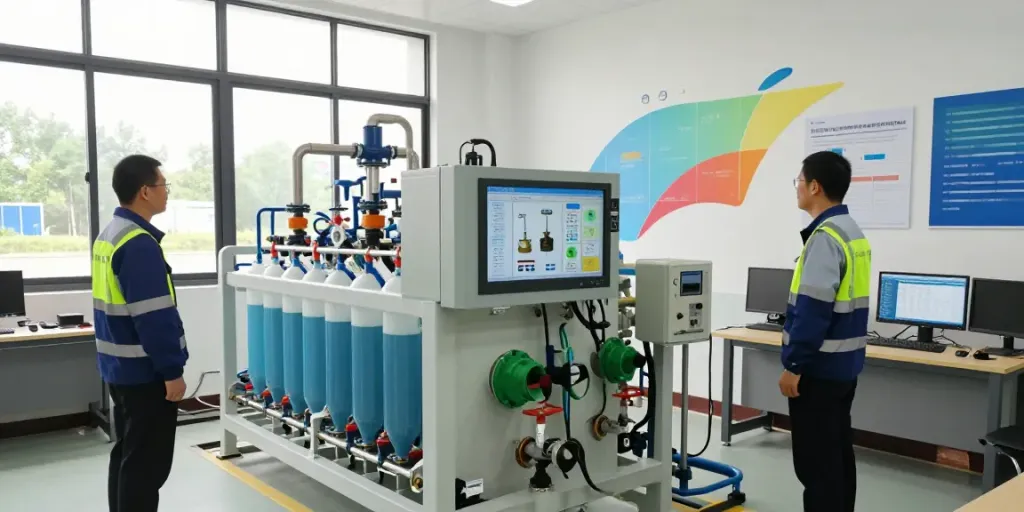
- Integrated Membrane Water Treatment System: This system employs various membrane technologies to ensure the effective removal of contaminants.
- Chemical Treatment System: Designed for a wide range of applications, this system integrates chemical dosing for effective treatment processes.
- DAF Integrated Treatment System: The Dissolved Air Flotation (DAF) system excels in treating wastewater containing suspended solids, particularly those with low floc density. QILEE’s DAF integrates with chemical dosing and sludge dewatering systems to form a comprehensive solution.
- Sludge Dewatering Modular System: A critical component for managing waste by transforming sludge into a more manageable form, reducing disposal costs.
Industrial Applications for Integrated Systems
Beyond water treatment, Integrated Modular Systems are utilized across various industries, including:
- Food and Beverage Production: Ensuring compliance with hygiene standards and regulations through efficient water management and waste treatment.
- Pharmaceutical Manufacturing: Meeting stringent quality standards in water treatment and waste disposal to protect product integrity.
- Municipal Waste Treatment: Providing solutions that adapt to varying volumes and contaminant types in municipal wastewater.
Case Studies of Successful Implementation
Numerous organizations have benefitted from the implementation of Integrated Modular Systems. For instance, a major beverage manufacturer reported over a 25% reduction in operational costs after adopting QILEE's DAF Integrated Treatment System. By minimizing chemical usage and improving sludge management, the company not only reduced waste but also enhanced product quality. Another case highlights a municipal wastewater treatment facility that achieved regulatory compliance ahead of schedule through the flexibility and scalability of an integrated modular approach.
Challenges in Implementing Integrated Modular Systems
While the benefits are substantial, organizations must also navigate several challenges when implementing Integrated Modular Systems. A successful implementation requires addressing potential obstacles effectively.
Common Obstacles in Modular System Designs
- Integration Complexity: The interplay between different modules can introduce complexities that require careful planning and execution.
- Initial Costs: Although long-term savings are significant, the upfront investment in modular systems can pose a barrier for some organizations.
- Workforce Training: Employees must be adequately trained to operate and maintain these complex systems, which can necessitate additional resources.
Addressing Performance Metrics and Reliability
Ensuring the reliability and performance of Integrated Modular Systems is critical. Organizations must establish clear metrics to evaluate system performance and have contingency plans in place to address any failures or inefficiencies that arise during operation.
Expert Insights on Overcoming Implementation Issues
Industry experts suggest a phased approach to implementation, where pilot programs are initiated before full-scale adoption. This allows for adjustments based on real-world performance and feedback, ensuring that the systems operate as intended.
Future Trends in Integrated Modular Systems
The landscape of Integrated Modular Systems is continuously evolving, with several trends expected to shape its future significantly.
Innovations Expected by 2026
As industries advance toward greater automation, Integrated Modular Systems will likely witness innovations in smart technology integration. AI and IoT will play crucial roles, enabling real-time monitoring and optimization of system operations.
How Regulations Are Shaping Modular Systems
Ongoing regulatory changes regarding environmental sustainability will impact the design and operation of Integrated Modular Systems. Companies must stay ahead by adapting their systems to meet stringent new requirements.
Sustainability and Environmental Considerations
With a global push toward sustainability, modular systems must minimize resource consumption and waste production. Solutions that incorporate renewable energy sources and eco-friendly materials will become more prevalent.
Choosing the Right Integrated Modular System
Selecting an appropriate Integrated Modular System requires careful comparison and analysis. Organizations must consider their specific operational needs and the potential return on investment.
Comparative Analysis of Leading Brands
When evaluating different solutions, conducting a comparative analysis of various brands can highlight strengths and weaknesses, allowing organizations to make informed choices suitable for their unique applications.
Cost-Benefit Analysis of Modular Systems
A thorough cost-benefit analysis is essential to understanding the long-term value of implementing an Integrated Modular System. This includes not only initial costs but also potential savings and operational efficiencies gained over time.
Expert Recommendations for Specific Needs
Industry professionals often recommend tailoring modular systems to meet specific operational challenges rather than opting for a one-size-fits-all solution. This customization can significantly enhance performance and satisfaction.
What Are the Best Practices for Implementation?
Best practices for implementing Integrated Modular Systems include comprehensive planning, involving stakeholders in the design process, and conducting pilot tests to gauge effectiveness and performance.
How Do You Ensure Optimal Performance Over Time?
To maintain optimal performance, organizations should establish a routine maintenance schedule, regularly update system components, and train staff to stay informed about new technologies and processes.