Understanding the ChiuVention Tensile Tester
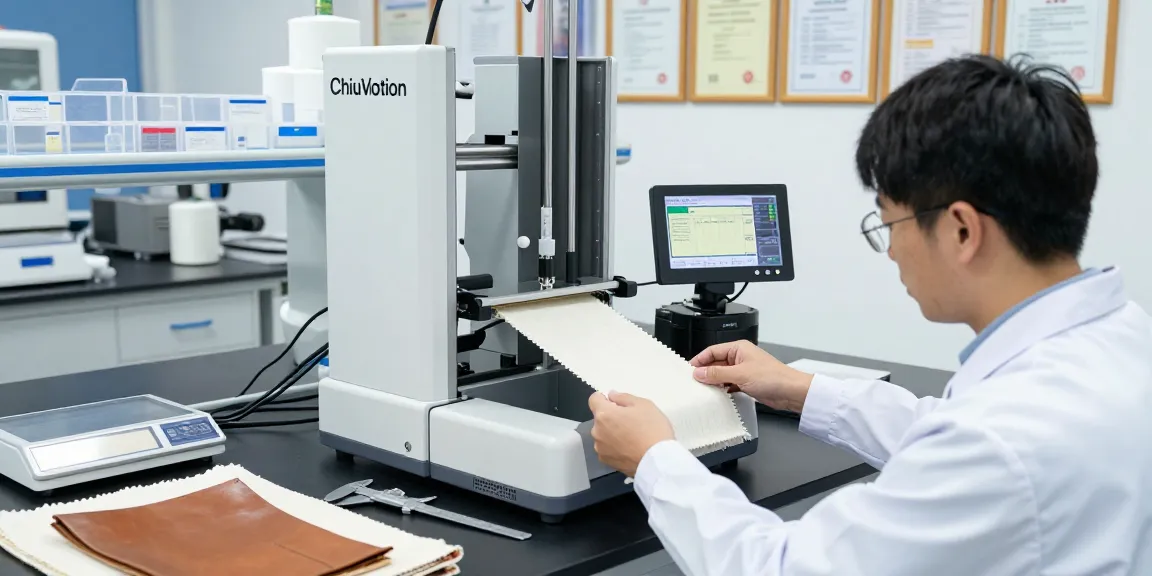
The ChiuVention tensile tester represents a groundbreaking advancement in the field of material testing. Tensile testers are essential instruments that measure the strength and elasticity of materials by subjecting them to controlled tension until failure. This is paramount in various industries, particularly textiles, where understanding these properties can significantly influence product quality and performance. By accurately identifying how materials behave under stress, manufacturers can ensure that their products not only meet safety standards but also enhance durability and customer satisfaction.
What is a Tensile Tester?
A tensile tester, also known as a universal testing machine (UTM), is designed to measure the tensile strength and elongation of materials. It engages a test sample, typically clamped at both ends, and applies a controlled pulling force until the material breaks. This setup allows for direct measurement of important properties such as yield strength, tensile strength, and elongation at break, which are crucial for assessing the viability of materials in real-world applications.
Key Functions of the ChiuVention Tensile Tester
The ChiuVention tensile tester is engineered with several key functions that enhance its versatility and reliability. It includes:
- Accurate Measurement: The integrated AC servo motor and ball screw mechanism provide precise control over the pulling force, ensuring measurement accuracy within 1%.
- Multi-Functional Capabilities: This machine can perform a variety of tests including top-breaking, tearing, tension, shearing, compression, and peeling with ease.
- Smart Software: The software embedded in the tester displays real-time data such as tension, elongation, and stress, enhancing the analysis of test results.
Importance of Tensile Testing in Material Science
Tensile testing is a cornerstone of material science and engineering, providing invaluable insights into a material's mechanical properties. Understanding how materials respond to stress is vital for several reasons:
- It informs engineers and designers about the limits and capabilities of materials.
- It ensures compliance with international standards, which is crucial for product certification.
- It aids in quality control during manufacturing processes, helping to identify flaws or weaknesses in materials before they reach consumers.
How the ChiuVention Tensile Tester Works
Test Setup and Sample Preparation
To begin using the ChiuVention tensile tester, proper setup and sample preparation are essential. The process typically involves:
- Clamping the sample securely at both ends to prevent slippage during testing.
- Setting the appropriate test speed according to the material standard being followed, ensuring consistent results.
- Using compatible fixtures for different types of materials, which allows for a wider application of tests.
The SmartPull tensile tester accommodates various sample sizes and types, making it adaptable for industries ranging from textiles to leather manufacturing.
Measurement Techniques and Data Interpretation
As the tester applies tensile force, measurements are taken in real-time. Key data points include:
- Tensile Strength: The maximum tensile stress that a material can withstand before failure.
- Elongation: The amount of stretching that occurs before the material breaks, expressed as a percentage of the original length.
- Stress-Strain Curve: A graphical representation of the relationship between stress (force per unit area) and strain (deformation) that provides a comprehensive overview of material properties.
Analyzing these metrics helps manufacturers make informed decisions regarding material selection and design modifications.
Safety Features and User Guidelines
The ChiuVention tensile tester incorporates several safety mechanisms to protect both the equipment and users. These features include:
- Excessive torque detection to prevent damage to the tester.
- Limit switches to ensure that the machine operates within safe bounds.
- Regular software updates that enhance the machine's operational safety and compatibility with new standards.
Users are encouraged to adhere to the manufacturer’s guidelines for operation, calibration, and maintenance to maximize the longevity and accuracy of the device.
Benefits of the ChiuVention Tensile Tester
High Accuracy and Operational Safety
One of the standout features of the ChiuVention tensile tester is its high accuracy. The combination of an AC servo motor and a ball screw mechanism allows for precise control of the applied load, minimizing measurement errors. Additionally, the safety systems in place ensure that tests can be conducted without risking damage to the equipment or injury to the operator, making it a reliable choice for laboratories and production facilities alike.
Multi-Functional Testing Capabilities
With the ability to conduct various tests including tensile, compression, and peel tests, the ChiuVention tensile tester is not just limited to textiles. This versatility makes it a valuable asset across different sectors, including:
- Textiles: Evaluating the durability and strength of fabrics.
- Leather: Assessing the breaking strength of leather materials.
- Papers and Films: Understanding the mechanical properties of various substrates.
Compliance with International Testing Standards
ChiuVention's tensile testing equipment meets a broad range of international testing standards, such as ASTM D5034, ISO 13934, and GB/T 3917.2. This compliance is critical for companies that operate globally and need to ensure that their materials meet industry expectations. Regular updates to testing protocols and software ensure that the ChiuVention tensile tester remains relevant in a rapidly evolving market.
Applications and Use Cases
Textile Industry Applications
The textile industry extensively uses tensile testing to assure fabric quality. By performing tensile strength tests, manufacturers can:
- Determine fabric durability for different applications, such as apparel, upholstery, and industrial use.
- Evaluate how fabrics behave under stretching, which is essential for products that need to withstand wear and tear.
- Make data-driven decisions regarding fabric selection and design modifications.
Testing Leather and Other Materials
Beyond textiles, the ChiuVention tensile tester also applies to leather and synthetic materials, ensuring quality across diverse product lines. Leather manufacturers leverage this technology to:
- Assess the strength of leather in various applications, from footwear to automotive interiors.
- Ensure consistency and reliability in their products, meeting customer expectations.
Case Studies: Success Stories Using ChiuVention
Many laboratories and manufacturers have transitioned to using the ChiuVention tensile tester, leading to improved testing accuracy and product quality. For instance, a leading textile producer in Spain reported enhanced testing efficiency as a result of using this machine, leading to a significant reduction in material waste and improved compliance with international regulations.
Future Trends in Tensile Testing
Emerging Technologies in Testing Equipment
The field of tensile testing is evolving, with emerging technologies such as AI-driven analytics and advanced automation. Future testers may include:
- Smart sensors that provide predictive analytics based on historical data.
- Data integration features that allow seamless communication with other manufacturing systems (like ERP or LIMS).
Adapting to Industry 4.0
As industries embrace the fourth industrial revolution, tensile testers are becoming more integrated into the connected factory model. This transition involves:
- Real-time data sharing across devices, enhancing decision-making processes.
- Utilization of IoT technology to monitor tests remotely and collect data for analysis.
Predictions for Textile Testing by 2026
By 2026, we anticipate that tensile testing will continue to evolve, becoming more sophisticated and integral to quality assurance. Organizations will likely prioritize:
- Greater emphasis on sustainability in material testing methodologies.
- Enhanced focus on compliance with more stringent international standards.
What standards does the ChiuVention Tensile Tester comply with?
The ChiuVention tensile tester adheres to a variety of international standards, including ISO 13934 and ASTM D5034, ensuring that its operation meets the highest industry norms.
How do I ensure proper calibration of the tensile tester?
Regular calibration following the manufacturer’s guidelines is essential for maintaining accuracy. This might include adjusting the setup with certified weights or using standardized samples for testing.
What types of materials can the ChiuVention tensile tester test?
This versatile machine can test a wide range of materials, including textiles, leather, paper, and composite materials, making it highly adaptable across multiple industries.
Can I use the tester for non-fabric materials?
Yes, the ChiuVention tensile tester can be utilized for various non-fabric materials, such as plastics and metals, depending on the specific test fixtures selected.
How can I obtain a quote for a ChiuVention tensile tester?
To receive an accurate quote for a ChiuVention tensile tester, it’s best to reach out directly to the manufacturer or authorized distributor through their official contact channels.