Introduction to Gradals: What Makes Them Stand Out?
In the realm of heavy construction machinery, few pieces of equipment have proven to be as versatile and efficient as the gradal. This uniquely designed machine integrates functionality and agility, making it an essential asset on any job site. Understanding what sets gradals apart is crucial for contractors and construction companies seeking to increase productivity and efficiency.
Defining Gradals and Their Functionality
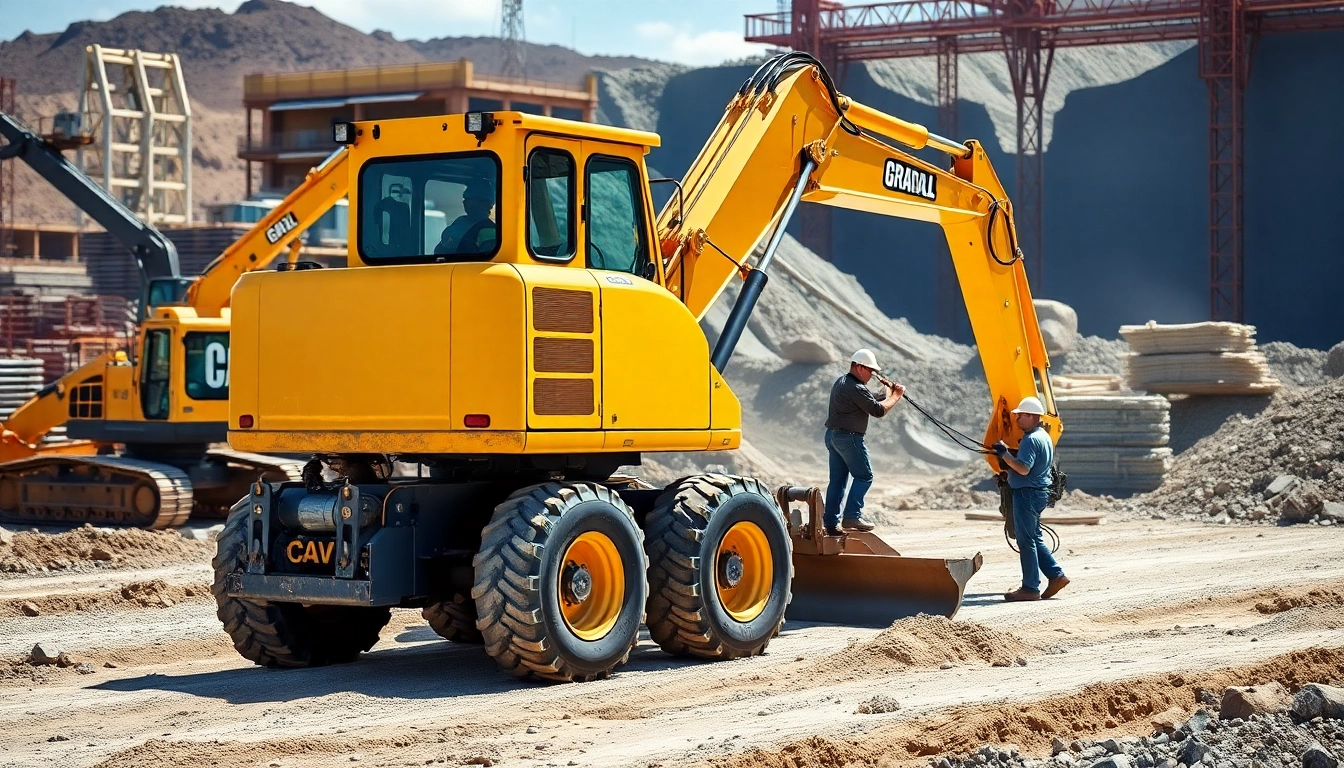
Gradals are specialized pieces of equipment engineered to operate smoothly both on and off highways. They combine the benefits of traditional excavators with enhanced mobility features, allowing operators to maneuver in tricky job site conditions efficiently. One of the critical functionalities of a gradal is its telescoping boom, which maximizes reach without sacrificing stability. This capability is particularly useful in projects requiring precision, such as utility installations or urban construction.
Key Features of Gradals
When evaluating the design of gradals, several key features stand out:
- Telescoping Boom: The boom can extend or retract, allowing for a wide range of motion and adaptability to various tasks.
- Off-Road Capability: Equipped with a robust undercarriage, gradals can traverse rugged terrains, making them ideal for site preparation in challenging environments.
- Versatile Attachments: Gradals can accommodate different attachments, such as buckets, forks, or specialized tools, enhancing their functionality.
- Innovative Control Systems: Modern gradals utilize advanced hydraulic systems for better control and responsiveness, resulting in more accurate operation.
Benefits of Using Gradals in Construction
The incorporation of gradals into construction processes offers numerous advantages:
- Increased Efficiency: The speed and versatility of gradals facilitate quicker project completion, reducing downtime.
- Cost-Effective Operations: With their ability to perform multiple tasks, gradals eliminate the need for additional equipment rentals, saving on overall project costs.
- Enhanced Safety: Operators can safely execute tasks at height or in tight spaces thanks to the stability and control of gradals.
- Broader Application Range: Gradals are suitable for various industries beyond construction, including maintenance, utilities, and public works.
Comparing Gradals with Traditional Excavators
Operational Differences
While traditional excavators have their place in construction projects, gradals offer distinctive operational advantages. Excavators typically provide superior digging power but lack the mobility and flexibility associated with gradals. The telescoping boom of a gradal allows for better reach and positioning, making it easier to navigate confined workspaces.
Maintenance and Durability
Regular maintenance is crucial to the longevity of any heavy machinery. Gradals are designed with ease of maintenance in mind, featuring accessible components that allow for quick inspections and repairs. Moreover, the materials and engineering used in gradals are built to withstand the rigors of diverse jobs, leading to a longer operational lifespan compared to many standard excavators.
Cost-Effectiveness Over Time
Investing in a gradal often proves financially beneficial in the long run. Although the initial purchase price may seem higher than that of traditional excavators, the reduction in operational costs—due to lower fuel consumption and fewer equipment rentals—typically offsets the initial investment over time. This cost-effectiveness is attractive to businesses aiming to maximize profit margins in competitive markets.
Best Practices for Using Gradals Effectively
Training Operators for Optimal Use
Maximizing the potential of a gradal hinges on the expertise of its operators. Providing thorough training can ensure that operators are well-versed in the machine's capabilities and functionalities, leading to optimized performance. Training programs should cover the specific handling of attachments, hydraulic controls, and safety protocols to equip operators with the necessary skills.
Preventive Maintenance Tips
To keep a gradal in prime operating condition, implementing a preventive maintenance schedule is essential. Regular checks should include inspecting fluid levels, calibrating hydraulic systems, and examining attachment compatibility. These measures contribute to the machine's reliability and can help avoid costly downtime caused by unexpected repairs.
Safety Protocols in Using Gradals
Safety on the job site cannot be overstated, especially when operating heavy machinery. Gradals come equipped with various safety features, but operators must adhere to strict safety protocols to prevent accidents. This includes using appropriate personal protective equipment (PPE), maintaining a clear line of sight, and ensuring the stability of the machine before undertaking elevated tasks.
Gradals in Different Industries
Construction Industry Applications
In construction, gradals are deployed for a myriad of tasks, from excavation and grading to lifting and placing materials. Their mobility and versatility allow for efficient transitions between tasks, making them indispensable for site preparation and maintenance. By streamlining operations, gradals enhance productivity and project timelines.
Utilities and Infrastructure Usage
Utilities often rely on gradals for tasks such as trenching and cable installation due to their ability to operate in confined spaces with precision. The reach and stability of gradals permit safe and efficient work on utility lines, improving infrastructure maintenance and development efforts.
Emerging Trends and Innovations
The construction landscape is rapidly evolving, and gradals are no exception. Innovations such as smart technology integration, automated controls, and sustainable engine designs are enhancing the efficiency and environmental impact of gradals. As the industry shifts towards greener practices, technologies that minimize fuel consumption and emissions will become increasingly critical.
FAQs About Gradals
What is a Gradall used for?
Gradalls are versatile heavy machines used in various construction tasks, known for their mobility on and off-road.
Are Gradalls considered special equipment?
Yes, Gradalls are specialized equipment designed for unique operational capabilities, enhancing productivity.
How do I maintain a Gradall?
Regular inspections, timely servicing, and keeping the machine clean are key to maintaining a Gradall's performance.
What industries benefit from using Gradalls?
Gradalls are widely used in construction, utilities management, and infrastructure projects for their efficiency.
Can Gradalls be used in rough terrains?
Yes, Gradalls are specifically designed to perform well in challenging terrains, making them versatile in various conditions.