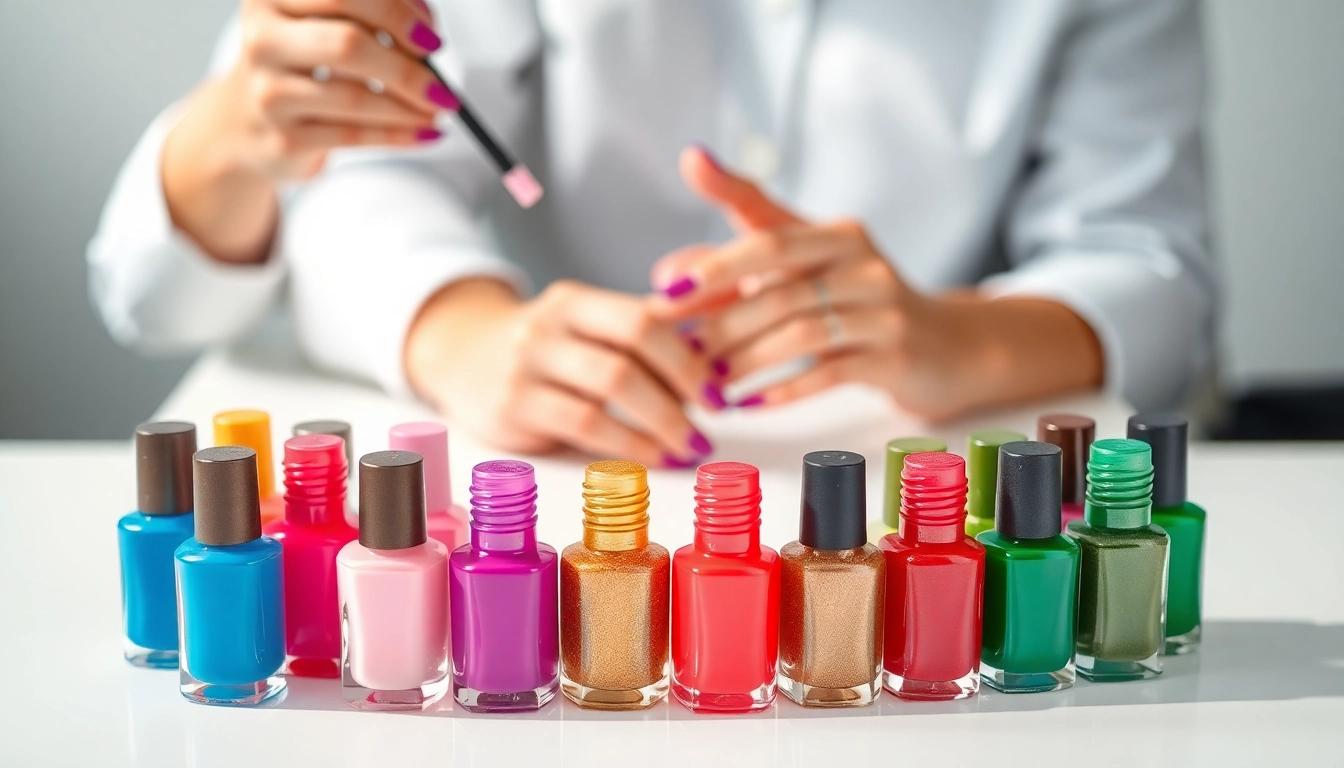
Understanding Nail Polish Changes
Nail polish is more than just a cosmetic choice; it is an expression of personal style, creativity, and cultural significance. The colors and finishes we choose can reflect our moods, align with fashion trends, or even celebrate specific seasons or events. In this article, we explore the multifaceted world of Nail polish changes, diving deep into their significance, types, how to apply them effectively, and tips for maintaining nail health.
The Importance of Nail Polish in Personal Style
Nail polish serves as a simple yet potent means of self-expression. By choosing specific colors and designs, individuals convey moods and personalities. Whether opting for bold reds that signify passion or pastel shades that evoke calmness, our choices in nail polish can significantly influence how we are perceived. Nail trends also vary across cultures, with certain shades being preferred in specific regions. Furthermore, as fashion cycles evolve, so do our preferences, with trends like matte finishes and chrome effects capturing the spotlight at various times.
Historical Evolution of Nail Polish Changes
The history of nail polish traces back thousands of years, with the earliest examples found in ancient Egyptian artifacts. Egyptians would use a combination of henna and other natural dyes to paint their nails as a sign of status. Throughout the centuries, nail polish formulations evolved, receiving contributions from various cultures, ultimately leading to the vibrant assortments we see today. The commercialization of nail polish began in the early 20th century, with the introduction of modern formulations that ultimately influenced societal norms surrounding nail care and aesthetics.
Trends Influencing Nail Polish Choices
Modern beauty trends have a significant impact on nail polish choices. Social media has led to trends that may favor unique nail designs and innovative colors, such as holographic glitter or ombre effects. Influencers showcase their styles, influencing followers globally. Additionally, sustainability has emerged as a powerful factor, with many consumers opting for environmentally friendly and cruelty-free brands. This shift compels manufacturers to adapt and innovate, leading to a diverse market that caters to various preferences.
Different Types of Nail Polish Changes
Gel vs. Traditional Nail Polish: A Comparative Look
One of the major decisions for nail enthusiasts is choosing between gel and traditional nail polish. Gel polish offers a long-lasting finish and vibrant color that can withstand chips for weeks, making it ideal for those who want a more durable option. Application requires a UV or LED lamp for curing, making the process take slightly longer. On the other hand, traditional nail polish is easier to apply and remove, offering flexibility for those who prefer to switch colors often. However, its longevity generally does not match that of gel polishes.
Seasonal Nail Polish Changes: Embracing Each Season's Palette
As seasons change, so do color palettes in the nail industry. Spring typically sees a rise in pastel colors like soft pinks and lavender, while summer embraces vibrant hues such as electric blues and yellows. Autumn invites earthy tones and deep hues, while winter often features dark, jewel tones and metallics. By adapting nail colors to align with a season’s aesthetic, individuals can express alignment with nature and trends while refreshing their look.
Nail Art Techniques to Enhance Your Nail Polish Changes
Nail art breathes new life into the traditional nail polish application. Techniques like stamping, freehand painting, and using embellishments such as rhinestones or stickers can elevate a standard polish into an artistic expression. Nail art can also be reflective of personal milestones or interests, allowing for a further personalized touch. Many nail lovers take to platforms like Pinterest or Instagram to find inspiration for their next nail design, showcasing creativity on a detail-oriented canvas.
How to Execute Effective Nail Polish Changes
Tools and Products You Need for Perfect Application
Achieving flawless nail polish changes requires specific tools and products to ensure longevity and a smooth finish. Essential items include a quality base coat to protect the nails and enhance polish adhesion, nail polish for color, and top coat to seal the design. Additionally, various brushes, dotting tools, and nail art tools can aid in creating stippled and intricate designs. Removers and cuticle oils are also vital for maintaining nail health during frequent polish changes.
Step-by-Step Guide to DIY Nail Polish Changes
Executing a perfect nail polish change can be simplified with a structured approach:
- Preparation: Clean your nails thoroughly, ensuring they are free from oil and dirt.
- Base Coat: Apply a layer of base coat to protect against staining and ensure color stays true.
- Polish Application: Apply the nail polish in thin layers, waiting for each coat to dry before applying another.
- Top Coat: Finish with a top coat to enhance shine and reduce chipping.
- Nail Care: After your nails have dried, use cuticle oil to keep the surrounding skin hydrated.
Professional Tips for Long-Lasting Results
To ensure nail polish lasts longer, several expert tips can be applied:
- Always apply thin layers of polish rather than thick ones to prevent smudging.
- Seal the tips of your nails with polish to create a barrier against chips.
- Try to keep nails hydrated and moisturized, as dry nails are prone to breakage.
Troubleshooting Common Issues with Nail Polish Changes
Dealing with Bubbles and Chips: Quick Fixes
Bubbles can ruin an otherwise beautiful manicure. To avoid bubbles, ensure your polish isn’t shaken too vigorously before use and allow each coat to dry sufficiently. If chips occur, touching them up immediately can restore the look, or you might opt for a new color entirely if the damage is significant.
Choosing the Right Base and Top Coats for Your Needs
Choosing the correct base and top coats is pivotal for any nail polish application. Look for formulas designed to complement your chosen polish—some have additional vitamins for added nourishment, while others focus on chip resistance. For specific finishes, like matte or glossy, ensure your top coat aligns with your desired look.
Color Fading: How to Prevent and Treat It
Color fading occurs due to prolonged exposure to sunlight or chemicals. To prevent this, use sunscreen or UV protectants for your nails and minimize communication with water and detergent during the first few days after application. If fading occurs, a fresh application of polish can quickly restore vibrancy.
Nail Polish Changes and Their Effects on Nail Health
Understanding the Ingredients in Nail Products
Being aware of the ingredients in nail polish is fundamental in maintaining nail health. Many formulas contain harmful chemicals like toluene or formaldehyde, which can weaken nails. Opt for “five-free” options, which exclude these harmful ingredients and offer a healthier alternative.
Tips for Maintaining Healthy Nails During Frequent Changes
To promote nail health while frequently changing polish, incorporate regular moisturizing routines and consider taking breaks from polish altogether. It’s also beneficial to use strengthening treatments or nail vitamins that promote growth and renewal after each polish removal.
Recognizing When to Take a Break from Nail Polish Changes
It's essential to listen to your nails to determine when to take a break from regular polish changes. Signs of distress may include discoloration, brittleness, or peeling. Allowing natural nails time to breathe and recover can prevent long-term damage and maintain healthy growth.
FAQs
What are the best colors for seasonal nail polish changes?
It varies by season! Pastels for spring, bright hues for summer, warm tones for fall, and deep shades for winter are great choices.
How often should I change my nail polish?
Ideally, every 1-2 weeks is recommended for maintaining a fresh look and preventing chip wear.
Are gel nails better than regular polish changes?
Gel nails offer longer wear, but regular polish is easier to remove. Choose based on your lifestyle and preferences.
Can frequent nail polish changes damage nails?
Yes, too much exposure can weaken nails. Ensure you give your nails breaks and use nourishing products.
What should I consider when selecting nail polish?
Look for quality formulas, reflect on your skin tone, and consider your personal style and the occasion.