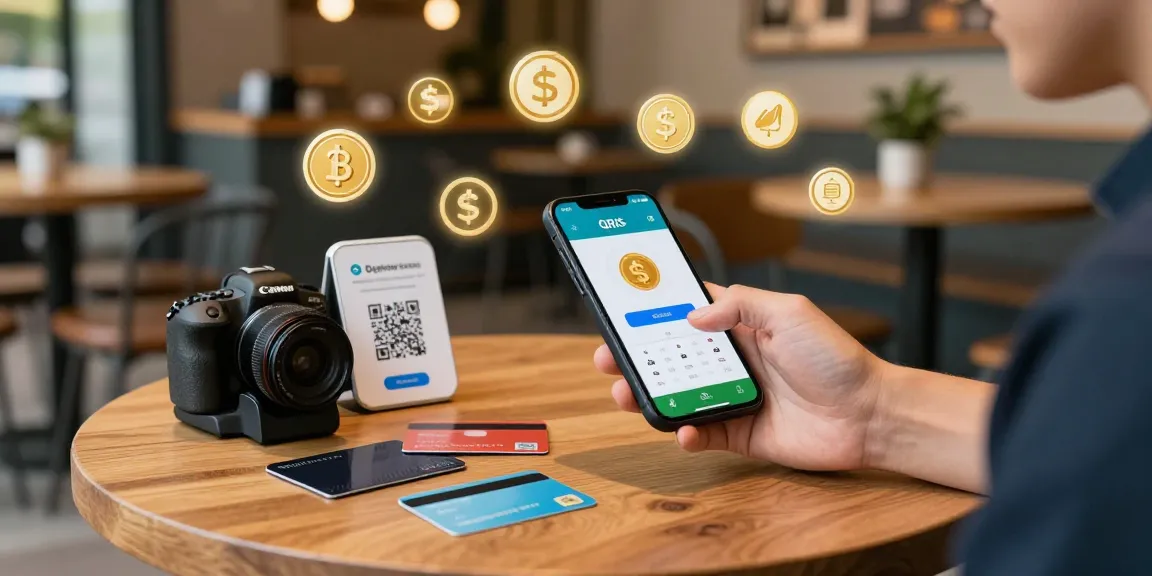
The Evolution of QRIS in Digital Payments
The rise of digital payments has dramatically transformed how consumers and businesses interact in the marketplace. Among the various innovations, the Quick Response Code Indonesian Standard (QRIS) stands out as a pivotal development in facilitating seamless transactions. Introduced to unify various QR code payment systems in Indonesia, QRIS has quickly gained traction since its launch. In this article, we explore its significant evolution, particularly as we head into 2026, focusing on its key features, comparative advantages over traditional payment methods, and its transformative role in e-commerce.
Understanding QRIS and Its Significance
QRIS is a standardized QR code payment system introduced by Bank Indonesia, designed to simplify transactions for consumers and merchants alike. It allows users to make payments directly from their mobile devices using a single QR code, regardless of the financial service provider. This system is not just about ease of use; it represents a move towards financial inclusivity by allowing small merchants to participate in the digital economy. The significance of QRIS lies in its ability to foster an ecosystem where both large and small businesses can thrive without the need for heavy investment in traditional payment infrastructure.
Key Features and Developments in 2026
As we look towards 2026, several key developments in QRIS are expected to enhance its functionality and user experience. One of the anticipated advancements is the integration of artificial intelligence (AI) analytics, enabling merchants to better understand consumer behavior and preferences. Additionally, enhanced security features will be implemented to protect users from fraud and data breaches. QRIS will also introduce multi-currency support, allowing international customers to make transactions effortlessly. These developments reflect the industry's commitment to continuous improvement and adaptation to consumer needs.
Comparative Analysis: QRIS vs Other Payment Methods
When compared to other payment methods, QRIS offers unique advantages that can drive businesses toward adopting this innovative solution. Traditional cash transactions often involve risks and inconveniences, such as handling change or potential theft. Credit and debit cards, while convenient, require terminals and infrastructure that can be costly for small merchants. In contrast, QRIS enables payments directly through smartphones, which are widely accessible. Furthermore, with QRIS, fees are generally lower than those associated with credit card transactions, making it a cost-efficient option for businesses. In exploring options, slot qris provides comprehensive insights into how to implement this payment system effectively.
Implementing Slot QRIS in E-Commerce
Implementing QRIS into an e-commerce platform can significantly streamline payment processes and improve customer satisfaction. As e-commerce continues to expand, understanding how to integrate QRIS effectively becomes a crucial aspect for online retailers. The following sections will guide you through the process of setting up QRIS payment systems, best practices for seamless integration, and common challenges that may arise.
Step-by-Step Setup of QRIS Payment Systems
Setting up a QRIS payment system generally involves several key steps:
- Choose a Payment Gateway: Select a provider that supports QRIS transactions. Look for one with a good reputation and robust customer support.
- Register for QRIS: Complete the registration process through Bank Indonesia or an authorized platform to obtain your unique QRIS code.
- Integrate with Your E-Commerce Platform: Ensure your website or app can generate and read QR codes, allowing for payments to be processed smoothly.
- Test Transactions: Conduct trial runs to ensure that transactions are processed correctly and efficiently.
Best Practices for Integration with Existing Platforms
To ensure a successful integration of QRIS into existing e-commerce platforms, consider the following best practices:
- User Experience: Design an intuitive interface that makes it easy for users to understand and utilize the QRIS payment option.
- Training Staff: Educate your staff on how QRIS works so they can assist customers effectively.
- Promote the QRIS Option: Use marketing strategies to inform customers about the availability of QRIS payments, highlighting its benefits such as speed and security.
Common Challenges and How to Overcome Them
While implementing QRIS can offer numerous benefits, businesses may face challenges such as resistance to change, technical issues, or lack of customer awareness. To overcome these hurdles:
- Provide Comprehensive Support: Offer clear instructions and support for customers unfamiliar with QRIS.
- Address Technical Glitches: Regularly update and maintain your system to prevent and resolve any technical issues promptly.
- Engage Customers: Use social media and email campaigns to educate customers about the advantages of using QRIS.
Regulatory and Security Aspects of QRIS
As digital payments grow in popularity, so too do the regulatory and security concerns surrounding them. Understanding compliance and security in relation to QRIS is essential for both users and businesses.
Understanding Compliance and Regulatory Requirements
Businesses must adhere to various regulatory requirements when adopting QRIS. This includes ensuring compliance with national standards set by Bank Indonesia and following data protection laws to safeguard consumer information. Regular audits and updates to systems contribute to maintaining compliance and building trust with consumers.
Enhancing Security: Best Practices for Users
For users engaging with QRIS, security is paramount. Here are several best practices to enhance security:
- Use Secure Networks: Always conduct transactions over a secure internet connection to prevent data interception.
- Enable Two-Factor Authentication: Adding an additional layer of security can help protect user accounts from unauthorized access.
- Monitor Transactions: Regularly review transaction history for any unusual activities.
Case Studies: Successful Security Implementations
Several businesses have successfully implemented robust security measures while using QRIS. For instance, a regional retail chain integrated advanced encryption techniques and tiered access controls, resulting in a 35% reduction in fraudulent transactions. Such case studies highlight the importance of prioritizing security in the digital payment landscape.
Consumer Trends and Behavior in 2026
As we approach 2026, understanding consumer trends related to payment preferences is crucial for businesses looking to thrive in the digital marketplace.
Shifting Payment Preferences Among Consumers
Consumer behavior is rapidly evolving, with a noticeable shift towards contactless payments and mobile transactions. This change is largely driven by the convenience offered by systems like QRIS, which allows users to complete transactions quickly and effortlessly.
The Impact of Slot QRIS on Buying Decisions
The integration of slot qris into payment options can significantly influence buying decisions. Studies show that consumers are more likely to complete a purchase if a convenient payment method is available. QRIS, being user-friendly, can reduce cart abandonment rates and enhance overall customer satisfaction.
Predicting Future Consumer Trends in E-commerce
Looking ahead, we can expect further personalization in e-commerce payments, where consumers will receive tailored offers based on their previous purchasing behavior. The rise of mobile wallets and loyalty programs integrated with systems like QRIS will likely enhance customer retention and engagement.
Future Outlook: The Role of Slot QRIS in E-Commerce
As QRIS continues to evolve, its role in e-commerce is poised to expand. Upcoming innovations will likely redefine how businesses engage with consumers and manage transactions.
Innovations on the Horizon for QRIS Technologies
Several innovative features are expected to emerge for QRIS, including the ability to facilitate installment payment options directly through the QR code, making high-value purchases more accessible for consumers.
Building Consumer Trust and Adoption of QRIS
Building trust is essential for the wider adoption of QRIS. Businesses should focus on transparent communication regarding security features and customer support. Engaging in community outreach to educate users about the benefits of QRIS can also foster a more trusting environment.
Expert Predictions: The E-commerce Landscape Beyond 2026
Experts predict that the e-commerce landscape will become increasingly integrated with technologies like AI and machine learning, resulting in more sophisticated payment systems. For more information, slot777 offers valuable insights. QRIS is expected to play a central role in this transformation, catering to the needs of modern consumers while enhancing the security and efficiency of transactions.