Understanding Computer Vision for CCTV
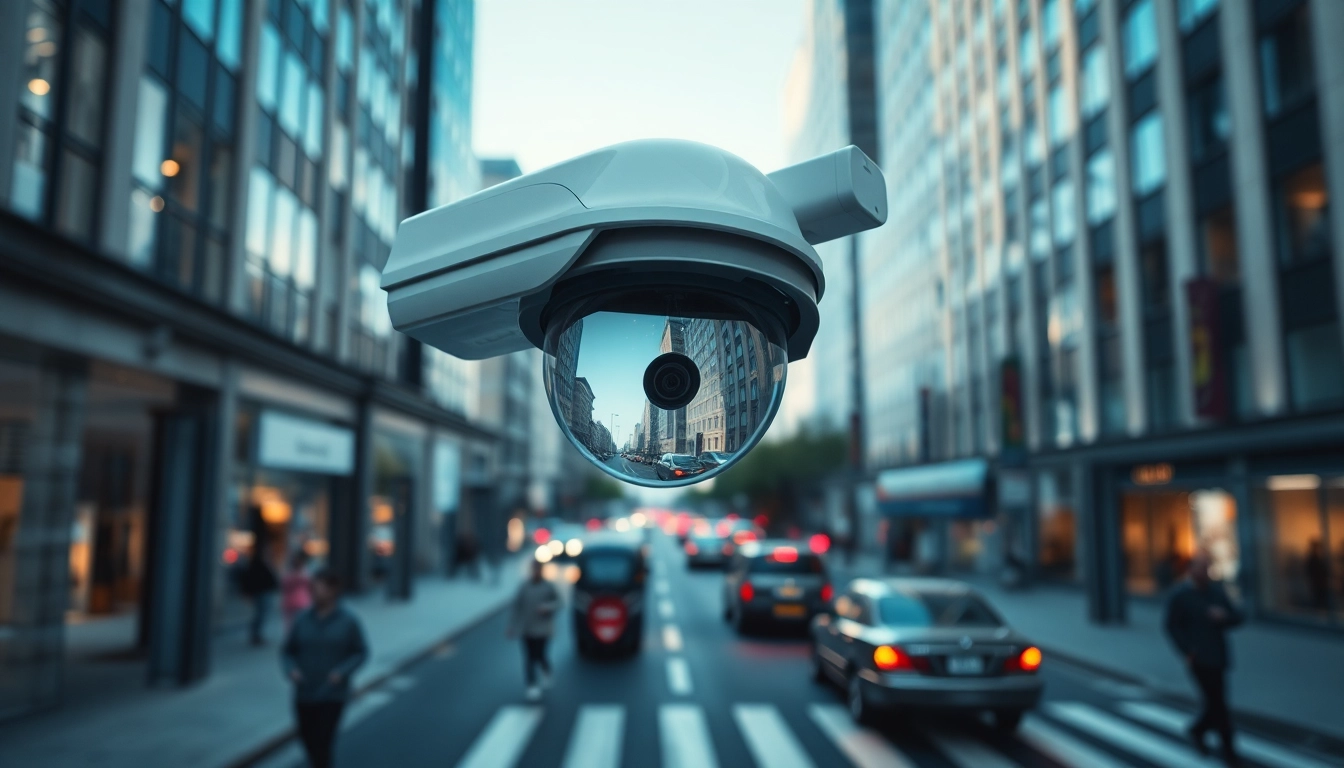
In the realm of security and surveillance, the need for enhanced capabilities has never been more pressing. With the advent of technology, traditional Closed-Circuit Television (CCTV) systems have evolved, primarily through the integration of computer vision for CCTV. This progression turns conventional cameras into intelligent surveillance systems capable of interpreting and analyzing visual data, enabling users to not only record but also understand what is occurring in real-time.
What is Computer Vision?
Computer vision is a subfield of artificial intelligence (AI) that empowers computers to interpret visual data from the world. By employing machine learning algorithms and neural networks, computer vision enables machines to recognize patterns and make decisions based on visual input. It encompasses a variety of tasks, including image recognition, object detection, segmentation, and tracking, allowing for complex analyses without human intervention.
How Computer Vision Enhances CCTV Performance
Integrating computer vision with CCTV systems transforms raw video data into actionable insights. Traditional CCTV merely captures video footage, but through computer vision, these systems can automatically analyze activities, detect anomalies, and recognize faces. This transition is marked by several capabilities:
- Real-Time Analytics: Immediate processing of video feeds enhances responsiveness during security incidents.
- Intelligent Alerting: Systems can differentiate between normal activity and potential threats, sending alerts only for significant events.
- Data-Driven Decisions: Insights derived from video analysis allow organizations to make informed security decisions based on patterns and behaviors.
Applications in Various Industries
The application of computer vision for CCTV spans multiple industries, demonstrating its versatility and effectiveness. Some notable fields include:
- Retail: Stores utilize computer vision to analyze customer behavior, monitor foot traffic, and enhance loss prevention efforts.
- Transportation: Traffic monitoring systems deploy computer vision to track vehicle movement, manage congestion, and enhance public safety.
- Public Safety: Urban surveillance employs computer vision to assist law enforcement in monitoring public spaces and responding promptly to incidents.
Benefits of Integrating Computer Vision for CCTV
Improved Monitoring and Surveillance
By deploying computer vision technologies, surveillance systems become proactive rather than reactive. The ability to continuously monitor for specific activities allows for immediate responses to security breaches, minimizing risks.
Instant Alerts and Real-Time Analytics
With the integration of AI capabilities, alerts can be tailored to focus on significant deviations from normal patterns, enabling security personnel to act swiftly on real-time data. This level of automation not only improves safety but also enhances operational efficiency.
Cost-Effectiveness Over Time
While the initial investment in computer vision technology may be substantial, the long-term savings are significant. By reducing the manpower required for constant monitoring and increasing the speed of incident response, organizations can see substantial returns on their investments over time.
Challenges and Solutions in Implementing Computer Vision for CCTV
Data Privacy and Security Issues
The implementation of computer vision in surveillance raises critical concerns about data privacy. Organizations must establish robust policies and safeguards to protect sensitive information recorded through these systems. Compliance with legal regulations, such as GDPR, is essential.
Technical Limitations and Hardware Needs
Existing CCTV infrastructure may require upgrades to support advanced computer vision algorithms effectively. Organizations should assess their hardware capabilities and consider investments in high-quality cameras and processing units to optimize performance.
Overcoming Integration Obstacles
Integrating computer vision technology into existing systems can pose challenges. Organizations should prioritize thorough planning and clear communication among stakeholders to ensure seamless integration and user training, facilitating a smooth transition.
Future Trends in Computer Vision for CCTV
Advancements in AI Technology
The field of AI is rapidly advancing, continually enhancing the capabilities of computer vision. Future trends include improved algorithm efficiency, increased accuracy in facial recognition, and better classification of objects within video feeds.
Integration with IoT Devices
The convergence of computer vision and IoT is set to revolutionize surveillance systems. By connecting CCTV with IoT devices, systems can interact and react to environmental changes, creating an interconnected security ecosystem that is dynamic and responsive.
Potential Impact on Public Safety
As the integration of computer vision in CCTV evolves, its potential to enhance public safety becomes clearer. Improved threat detection and faster response capabilities significantly contribute to safer urban environments, aiding law enforcement agencies in their missions.
FAQs About Computer Vision for CCTV
What is the role of AI in CCTV systems?
AI enhances CCTV by enabling real-time data analysis and automated decision-making, improving security response times.
Can existing CCTV systems utilize computer vision?
Yes, many systems can integrate computer vision technologies to upgrade their capabilities without needing entirely new hardware.
What types of threats can computer vision detect?
Computer vision can identify unusual patterns, unauthorized access, and can even recognize faces and license plates.
Is computer vision for CCTV cost-efficient?
While initial setup may be costly, the long-term savings on manpower and faster incident resolution make it cost-effective.
How does computer vision improve public safety?
By providing real-time surveillance and immediate alerts, computer vision enables quicker responses to incidents, enhancing overall safety.