Introduction to Giant Building Blocks
What Are Giant Building Blocks?
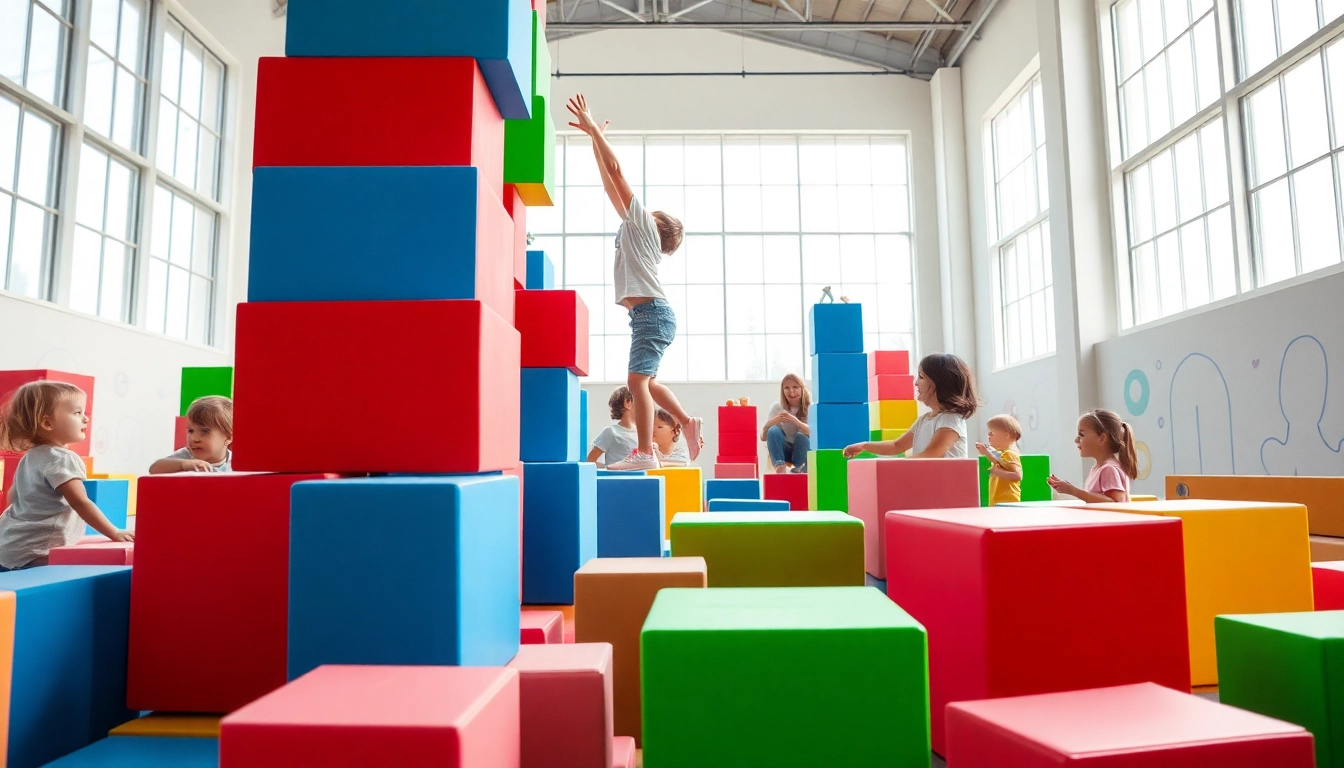
Giant building blocks are oversized play items designed to encourage creativity and structural innovation in children. These blocks can vary in size but are typically made from soft foam or lightweight materials, making them easy to handle and safe for play. Ideal for both solo and group activities, they provide a platform for imaginative play where kids can build structures that resonate with their ideas and dreams. To explore options for building blocks that can ignite a child's imagination, get the details about different styles and types available.
The Benefits of Building Block Play
Engaging with giant building blocks offers multiple benefits for children. Firstly, these blocks encourage fine motor skills' development as kids pick up, manipulate, and stack them. Secondly, building activities foster social skills when children collaborate to create larger structures, promoting teamwork and communication. Moreover, problem-solving skills are enhanced as they figure out how to balance and secure blocks, leading to critical thinking development. Additionally, imaginative play is nurtured, as children can recreate existing structures or invent entirely new worlds based on their creativity.
Safety Considerations for Indoor Play
When it involves indoor play with giant building blocks, safety is a key consideration. Since these blocks are often made from soft materials, the risk of injury is significantly reduced even during energetic play. Parents and caregivers should ensure the play area is spacious and free from hard surfaces and sharp objects. It’s also advisable to supervise younger children and check for any damages to the blocks to prevent choking hazards. Furthermore, look for blocks that meet safety standards to ensure they are free from toxic chemicals and suitable for children’s use.
Choosing the Right Giant Building Blocks
Material Options and Durability
When selecting giant building blocks, the material is a crucial factor that affects both durability and safety. The most common materials used are foam, plastic, and wood. Foam blocks are lightweight and ideal for indoor play, with enough cushioning to absorb impact. Plastic blocks might offer more durability and easy cleaning but could also pose safety concerns if they are too hard. Wooden blocks, while sturdy, are often heavier and are usually better suited for outdoor play. Understanding these material differences helps in making an informed choice about the right building blocks for your play environment.
Size and Shape Varieties
Giant building blocks come in various sizes and shapes, promoting different types of play and creativity. Standard shapes, such as cubes and rectangles, often allow for basic stacking and construction. However, additional shapes like arches, triangles, and cylinders enable children to explore geometry and structural integrity. When choosing, ensure that the variety aligns with the age group of the children to maximize engagement and learning opportunities. Larger blocks might be more suitable for outdoor play because of their stability, while smaller blocks are easier to manage indoors.
Age Appropriateness and Safety Standards
Different age groups will have varying levels of engagement with giant building blocks. Generally, blocks designed for toddlers should be larger with rounded edges to prevent choking hazards and injuries. For preschoolers, more intricate designs can introduce a degree of complexity, enhancing both their fine motor skills and cognitive abilities. Safety standards are crucial; always look for blocks that comply with regulations such as ASTM or EN71, which indicate they have been tested for safety. This ensures you are providing a safe environment for children to explore and play.
Creative Play Ideas with Giant Building Blocks
Obstacle Courses: Building and Playing
Creating a giant building block obstacle course can be an exciting challenge for children. Set up different configurations using the blocks to create tunnels, jumps, and climbing sections. Children can take turns navigating through the course, promoting physical activity and enhancing their motor skills. Additionally, this type of play invites creativity; children can rearrange the blocks to form new challenges, compelling them to think ahead and strategize on how to tackle the course. Adding a timer or scores from friends can further inspire healthy competition and individual achievement.
Structured Activities: Team Challenges
Structured activities using giant building blocks can foster teamwork while introducing problem-solving skills. Organize team challenges where groups must work collaboratively to build the tallest tower or most stable bridge within a set time limit. These exercises teach children the importance of communication, cooperation, and negotiation. Incorporate themes or story prompts to make the activity more engaging; for example, challenge them to build a fortress that can withstand an imaginary dragon attack. Such structured play is not only educational but immensely fun, enhancing social bonds among children.
Free Play: Igniting Imagination
While structured activities are beneficial, allowing free play with giant building blocks is essential for unleashing a child's imagination. Unrestricted play encourages children to explore their creativity without constraints, leading to unique constructions that reflect their interests and fantasies. Encourage kids to take ownership of their designs, guiding them to communicate their thought processes or stories behind their creations. This form of play not only nurtures creativity but also develops communication skills as they share their ideas and stories with others.
Maintaining and Storing Building Blocks
Cleaning and Care Tips
Keeping giant building blocks clean is vital for ensuring a hygienic play environment. Regularly wipe down foam blocks with a mild detergent and water solution, and allow them to dry completely. Plastic blocks can also be cleaned with a cloth or sponge. For blocks used outdoors, ensure they are free from dirt and debris before bringing them indoors. Regular cleaning not only extends the life of the blocks but also diminishes the risk of illness in children.
Efficient Storage Solutions
Storing giant building blocks efficiently helps maintain a tidy play area and makes it easy for children to access their toys. Consider using storage bins with lids to keep blocks organized and dust-free. Shelving units also offer a way to display the blocks attractively while providing easy access for playtime. Designate a specific area in the child’s room or playroom, such as a corner that can be easily cleaned each time play concludes. This helps children develop organizational skills while keeping their space clutter-free.
Maximizing Space in Play Areas
Maximizing space in areas designated for play can significantly enhance how children interact with their giant building blocks. Arrange blocks so that they can be easily retrieved and stored without creating hazards. Utilize vertical space by using wall-mounted shelves for less frequently used blocks. Additionally, consider multifunctional furniture that can double as storage, allowing for a more spacious playroom. This approach not only keeps the area organized but also makes room for additional activities and creativity.
Frequently Asked Questions
What age group are giant building blocks suitable for?
Giant building blocks are suitable for children aged one and up, with larger blocks being ideal for toddlers and more complex shapes for preschoolers and older kids. Always check for age recommendations from manufacturers.
How do I clean and maintain the blocks?
Clean foam blocks with mild soap and water. Wipe down plastic blocks with a damp cloth. Ensure they dry completely to prevent mold and odors. Regular cleaning keeps the play area hygienic.
Can giant building blocks be used outdoors?
Yes, many giant building blocks are suitable for outdoor use. Ensure the blocks are durable and weather-resistant to withstand outdoor conditions and provide safe play experiences.
What safety features should I look for?
Look for blocks with rounded edges, non-toxic materials, and compliance with safety standards such as ASTM. Ensure they are lightweight to minimize the risk of accidents during play.
How do building blocks promote learning?
Building blocks foster learning by enhancing motor skills, promoting problem-solving, and encouraging cooperative play. Kids can learn about math, geometry, and creativity while building.