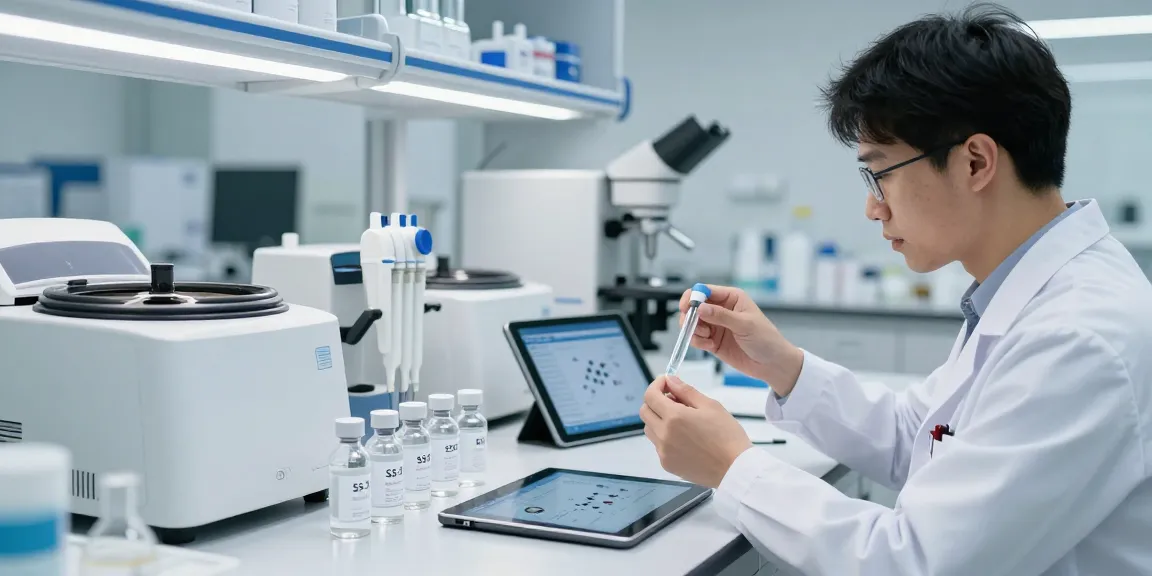
What are Research Peptides?
Introduction to Peptides
Peptides are short chains of amino acids linked by peptide bonds, which play a fundamental role in biological processes. These compounds serve as the building blocks of proteins and are essential for various cellular functions. Peptides are increasingly recognized for their potential therapeutic applications, particularly in the fields of medicine and fitness. The rise of research peptides and their blends, such as the ipamorelin/tesamorelin blend, signifies a growing interest in harnessing their benefits.
Types and Classifications
Research peptides can be classified into various categories, including signaling peptides, transport peptides, and therapeutic peptides. Each type serves different functions, ranging from facilitating cellular communication to delivering drugs directly to target cells. For example, signaling peptides are crucial for triggering specific biological responses, while therapeutic peptides are designed for medical applications, such as cancer treatment or metabolic disorders. Understanding these classifications helps researchers identify the most suitable peptides for specific health conditions or treatment goals.
Role in Medical Research
The role of peptides in medical research is profound. They are utilized in developing treatments for a range of diseases, including hormonal imbalances, autoimmune disorders, and even aging. Peptides can act as hormones, enzymes, or antibodies, making them versatile tools in pharmacology. Researchers are exploring various mechanisms through which peptides can influence bodily functions, often targeting specific pathways to enhance therapeutic effectiveness. This potential is particularly evident in blends like the ipamorelin/tesamorelin blend, which offers a synergistic approach to health and wellness.
Exploring the Ipamorelin/Tesamorelin Blend
What is Ipamorelin?
Ipamorelin is a potent peptide hormone that stimulates the release of growth hormone (GH) from the pituitary gland. It is known for its selective action and minimal side effects compared to other GH secretagogues. Ipamorelin mimics ghrelin, a hormone responsible for regulating appetite and energy expenditure, thus promoting growth and recovery processes in the body. Its ability to enhance mitochondrial function and promote fat metabolism makes it a promising candidate for body composition improvements.
What is Tesamorelin?
Tesamorelin is another significant peptide designed to stimulate growth hormone release through the activation of the ghrelin receptor. Initially approved for treating HIV-associated lipodystrophy, Tesamorelin has shown efficacy in reducing visceral fat while improving lean body mass. Its capacity to enhance metabolism and aid in weight management has garnered attention, especially for individuals looking to rejuvenate their body composition and overall health.
Benefits of the Blend
The ipamorelin/tesamorelin blend capitalizes on the strengths of both peptides, offering a unique set of benefits. This blend can lead to increased natural growth hormone levels, enhanced fat loss, improved muscle growth, and better overall recovery. By working synergistically, these peptides can improve physical performance, boost energy levels, and enhance mental clarity. Furthermore, users may also experience improved sleep quality, hormonal balance, and a rejuvenated appearance, making the blend attractive for both athletes and those seeking anti-aging benefits.
Mechanisms and Applications
How Do Peptide Blends Work?
Peptide blends, like the ipamorelin/tesamorelin blend, work through various mechanisms that involve receptor activation and hormonal modulation. Each peptide interacts with specific receptors, triggering biological processes that increase growth hormone levels. The synergistic effect enhances the overall impact, as the simultaneous release of these hormones supports muscle growth, fat loss, and recovery. The precise modulation of signaling pathways allows for targeted therapeutic interventions, optimizing both performance and health outcomes.
Potential Therapeutic Uses
Potential therapeutic applications for the ipamorelin/tesamorelin blend include treatment scenarios for obesity, muscle-wasting diseases, and age-related hormone depletion. Specifically, the blend may benefit older adults seeking to counteract muscle loss and improve metabolic health. Additionally, it can be useful for athletes looking for an edge in training and recovery, allowing them to push their physical limits while minimizing the risks of overtraining or injury.
Recent Research Findings
Recent studies have indicated that peptide blends can effectively improve body composition and metabolic health markers. Trials focusing on the ipamorelin/tesamorelin blend have shown promising results in enhancing muscle mass while reducing abdominal fat, even in aging populations. Researchers have noted that the combination may yield better results than the individual peptides alone, emphasizing the need for further investigation into multi-peptide therapies in clinical settings.
Safety and Side Effects
Understanding Dosage Guidelines
Proper understanding of dosage guidelines is vital when using peptide blends. Recommendations typically vary based on the individual's health goals, age, and body weight. Generally, dosages for the ipamorelin/tesamorelin blend range from 100-300 mcg per day, administered via subcutaneous injection. Patients are encouraged to follow healthcare provider instructions to ensure safety and efficacy, minimizing the risk of side effects and optimizing therapeutic outcomes.
Possible Adverse Effects
While the ipamorelin/tesamorelin blend is generally well-tolerated, potential adverse effects can occur. These may include localized redness at the injection site, water retention, or increased hunger due to heightened growth hormone levels. Less common but more serious effects can include elevated blood sugar levels, particularly in individuals with preexisting conditions such as diabetes. It is essential for users to monitor their health and consult with a healthcare professional if any negative symptoms arise.
Long-term Use Considerations
Long-term use of peptide blends requires careful monitoring and adherence to medical guidance. Prolonged exposure to growth hormone secretagogues may lead to unwanted hormonal imbalances or side effects. Regular health checks, including blood tests to monitor hormone levels and metabolic markers, can help ensure that users maintain optimal health while utilizing these peptides. Balancing benefits against risks is crucial in assessing the advisability of long-term peptide therapy.
Future Trends in Peptide Research
Emerging Applications
The future of peptide research looks promising, with emerging applications expected to grow in areas such as regenerative medicine, oncology, and metabolic disease treatment. The adaptability of peptides, including blends like the ipamorelin/tesamorelin blend, suggests that researchers will continue to explore novel therapeutic combinations aimed at addressing specific health issues. Personalized medicine approaches emphasizing tailored peptide therapies also hold potential for maximizing efficacy and minimizing adverse effects.
Technological Advancements
Technological advancements in peptide synthesis and delivery methods are revolutionizing the field. Innovations such as improved stability, modified release patterns, and targeted delivery systems are enhancing the practicality and effectiveness of peptide therapies. Enhanced understanding of peptide interactions at a cellular level also enables the customization of peptide blends, allowing for optimized combinations that can be specifically tailored to individual patient needs.
Regulatory Considerations
As the peptide market expands, regulatory considerations will play a critical role in its future. Regulatory bodies are increasingly scrutinizing peptide therapies for safety and efficacy, necessitating rigorous clinical trials before widespread approval. Organizations may need to establish clear guidelines on production, labeling, and patient education to ensure safe use. Awareness of regulatory changes will be essential for researchers and clinicians looking to innovate in peptide therapeutics.
Frequently Asked Questions
What is the difference between ipamorelin and tesamorelin?
Ipamorelin primarily stimulates growth hormone release, while tesamorelin effectively targets visceral fat reduction and lean body mass improvement.
Are there any side effects associated with the ipamorelin/tesamorelin blend?
Potential side effects may include injection site reactions, increased hunger, and temporary water retention. Regular monitoring is essential.
How should the ipamorelin/tesamorelin blend be administered?
The blend is typically administered subcutaneously, with dosages ranging from 100-300 mcg per day, as directed by a healthcare provider.
Can the ipamorelin/tesamorelin blend aid in weight loss?
Yes, the blend has been shown to assist in fat loss and body composition improvement when combined with a balanced diet and exercise.
Is the use of peptides safe for long-term health?
While peptides can offer benefits, long-term use requires careful monitoring by a healthcare professional to manage potential hormonal imbalances and side effects.