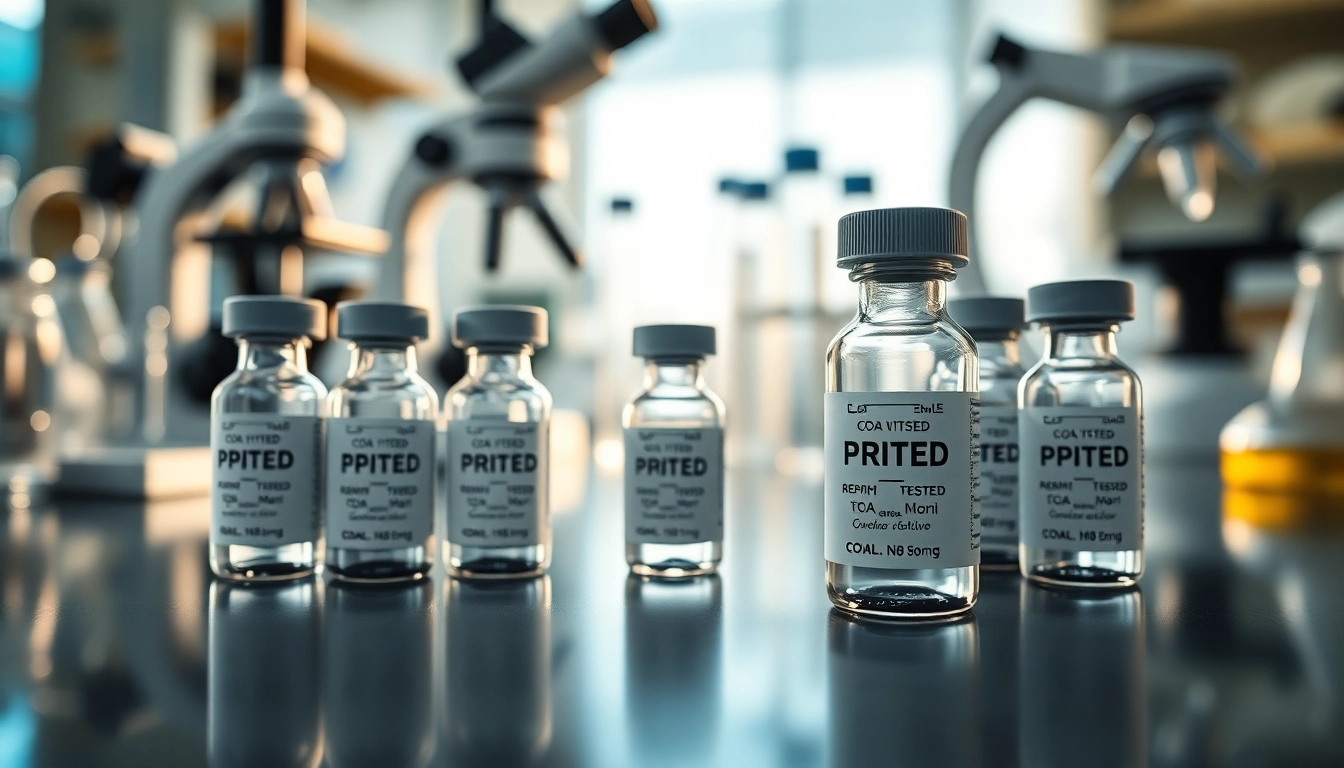
Introduction to Research Peptides
Over the last few decades, research peptides have garnered significant attention in the realms of healthcare, fitness, and science. This surge in interest stems largely from their multifaceted roles in biological functions and the potential they have to revolutionize medical treatments and enhance human performance. Understanding the fundamentals of research peptides, particularly those that are COA tested peptides, is crucial for researchers, healthcare professionals, and enthusiasts alike.
What Are Research Peptides?
Research peptides are short chains of amino acids, usually consisting of 2 to 50 amino acids. They play significant roles in various biological functions, including hormone functions, immune responses, and cellular signaling. Unlike proteins, which are typically much longer chains of amino acids and have defined structures, peptides are smaller and can be synthesized relatively easily in the laboratory. Their unique properties make them appealing for a wide range of applications, from therapeutic uses in medicine to enhancement in sports and physical performance.
The Role of Peptides in Biological Functions
Peptides act as signaling molecules in the body, regulating numerous physiological processes. For instance, they can influence everything from the growth of muscle tissue to the modulation of immune responses. Hormones such as insulin and human growth hormone (hGH) are peptides that have profound effects on metabolism, growth, and overall health. The interaction between these peptides and their receptors on cells triggers a cascade of biochemical reactions essential for maintaining homeostasis in individuals.
Importance of COA Testing for Research Peptides
Certificate of Analysis (COA) testing is crucial in verifying the purity, potency, and safety of research peptides. As the demand for these substances increases, so does the necessity for rigorous testing to ensure that products meet industry standards. A COA provides detailed information about the composition of a peptide, ensuring that researchers and users can trust the integrity of the compound they are using. This level of transparency is vital for maintaining quality control and bolstering credibility within the scientific and health communities.
Types of Research Peptides
Research peptides are classified into various categories based on their structures and functions. Understanding these categories can help in choosing the right type for a specific application.
Common Categories of Research Peptides
Peptides can be categorized into several groups, including:
- Hormones: These peptides regulate various physiological processes and include substances like insulin and oxytocin.
- Neuropeptides: These play roles in neuronal signaling and include endorphins and substance P, which affect pain and mood.
- Antimicrobial peptides: These peptides possess properties that combat microbial infections and are vital in immune responses.
- Signal transduction peptides: These actively participate in cell signaling processes.
Differences Between Natural and Synthetic Peptides
Natural peptides are produced by living organisms and are often found in body fluids, tissues, and cells. Synthetic peptides, on the other hand, are created in laboratories through chemical or biological processes. Each type has its advantages: natural peptides can have complex structures and functions but may be limited in availability, while synthetic peptides can be modified to enhance their efficacy, stability, or solubility.
Applications in Health and Performance
Research peptides have a wide range of applications across various fields, including:
- Medical Research: Used for developing new therapies for diseases such as cancer, diabetes, and metabolic disorders.
- Sports Performance: Athletes and sports enthusiasts use specific peptides to enhance muscle growth, recovery, and overall performance.
- Aging Research: Some peptides are investigated for their potential in anti-aging therapies, with effects on collagen production and tissue regeneration.
How to Use Research Peptides Safely
While research peptides hold significant promise, using them safely is paramount. There are specific guidelines and considerations that must be adhered to.
Guidelines for Handling and Administration
Proper handling and administration of research peptides involve:
- Ensuring proper storage at recommended temperatures to maintain stability.
- Using sterile techniques when preparing peptides for administration to avoid contamination.
- Consulting relevant medical professionals or experts when unsure about dosages or application methodologies.
Dosage Recommendations for Effective Use
Dosage recommendations can vary significantly depending on the specific peptide, the intended application, and individual response. Research should guide dosage levels, adhering closely to studies and guidelines that have shown efficacy and safety. Starting with lower doses and gradually adjusting based on observed effects is often recommended to mitigate adverse reactions.
Understanding Legal Considerations
The legal status of research peptides varies widely across regions. In some areas, certain peptides are regulated as drugs, while in others, they may not have strict policies governing their sale or use. It’s essential to be informed about local regulations and to ensure compliance to avoid legal repercussions.
Evaluating Peptide Quality
With so many peptide suppliers in the market, evaluating the quality of peptides is essential to ensure safety and effectiveness.
Identifying Reliable Suppliers
Choosing a reliable supplier is crucial in obtaining quality peptides. Potential indicators of reputable suppliers include:
- Transparency in providing COA documentation.
- Positive reviews and testimonials from the scientific community.
- A track record of consistent product quality and ethical practices.
Importance of COA Tested Peptides
As previously highlighted, COA tested peptides should form the foundation of any research involving peptides. The COA signifies that the product has undergone rigorous quality checks and meets specified purity and potency standards. This assurance is vital for researchers, as it enhances the validity of experimental results and developments.
Analyzing Testing Methods and Results
Understanding how peptides are tested is key for assessing their quality. Common testing methods include High-Performance Liquid Chromatography (HPLC) for purifying peptides and Mass Spectrometry (MS) for confirming their identity. Results from these tests should be interpreted carefully, as they provide insight into the peptide's characteristics and potential efficacy in research applications.
Future of Research Peptides
The field of peptide research is rapidly evolving, leading to exciting developments and potential applications that could significantly impact medicine and sports.
Emerging Trends in Peptide Research
Recent trends indicate a focus on more complex peptide structures, including cyclic peptides and peptide mimetics, which enhance stability and binding affinity to receptors. Additionally, there is growing interest in personalized medicine, where peptides can be tailored to individual patient needs based on genetic or biochemical profiles.
Potential Developments in Therapeutic Applications
The therapeutic applications for peptides are expanding, with research exploring their use in anti-cancer therapies, neurodegenerative diseases, and as vaccine adjuvants. The ability to design peptides that mimic natural body processes can pave the way for innovative treatments and potentially curing diseases previously deemed untreatable.
Impact on Sports and Fitness Industries
In the sports realm, peptides are being studied for their potential to enhance recovery times, muscle hypertrophy, and overall athletic performance. As research continues to unveil their efficacy, the use of peptides may become more commonplace among athletes and fitness enthusiasts, reinforcing the need for stringent testing standards to ensure safety and compliance with sports regulations.
Frequently Asked Questions
What are COA tested peptides?
COA tested peptides are research peptides that have undergone a Certificate of Analysis process to verify their purity, potency, and safety for use.
How do peptides work in the body?
Peptides function as signaling molecules, regulating a variety of biological processes like growth, metabolism, and immune responses through receptor interactions.
Are synthetic peptides safe to use?
When obtained from reputable suppliers and used according to guidelines, synthetic peptides can be safe. Always follow dosage recommendations and consult professionals.
Can peptides help with aging?
Certain peptides are being researched for their potential anti-aging effects, aimed at promoting collagen production and cellular regeneration.
What should I look for in a peptide supplier?
Look for transparency, quality assurances like COAs, positive community feedback, and ethical sourcing to identify a reliable peptide supplier.