
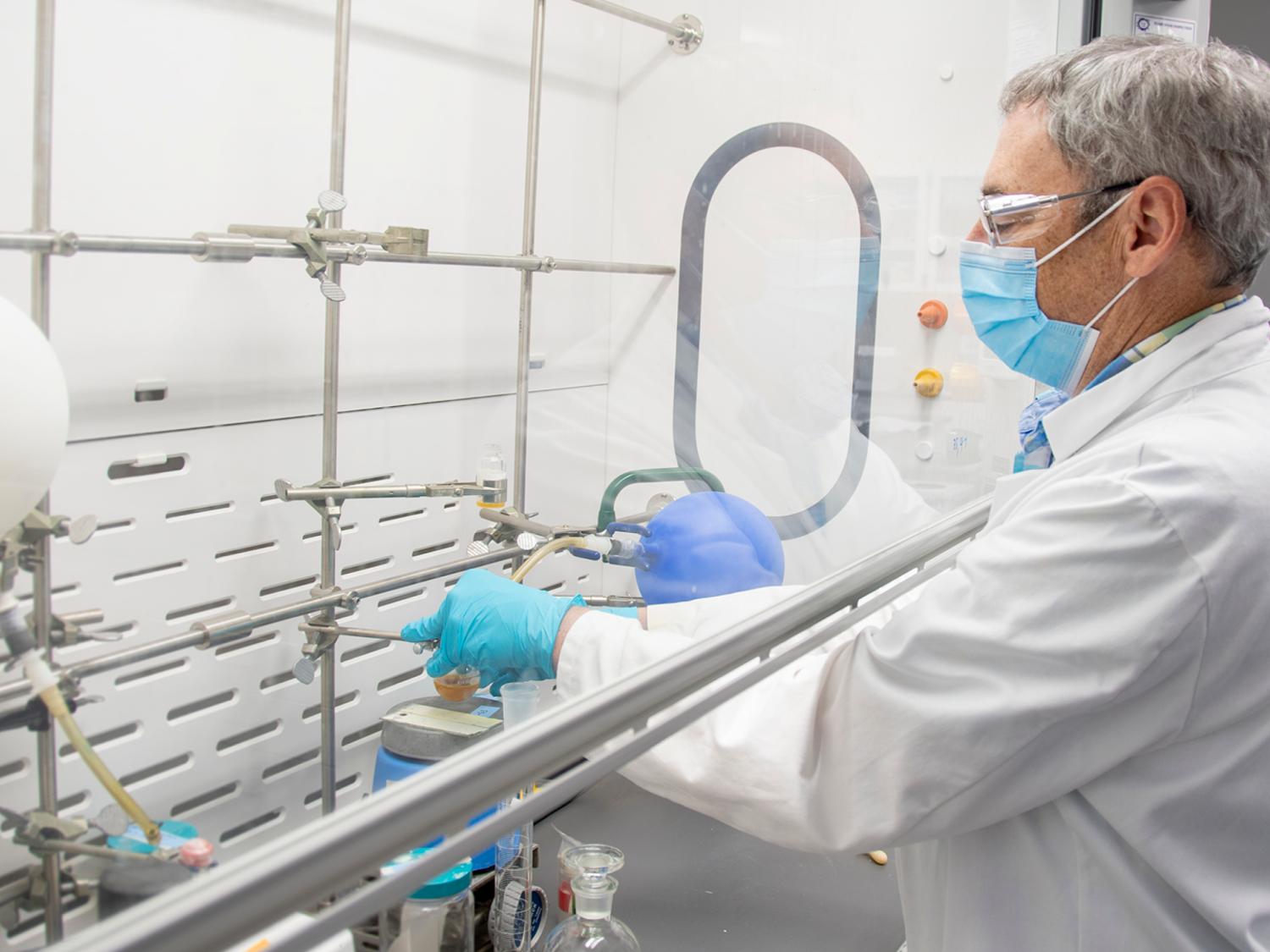
In modern biomedical science, NAD+ has emerged as a critical coenzyme driving cellular energy metabolism, DNA repair, and overall biological resilience. Researchers increasingly rely on NAD+ to explore mechanisms of aging, mitochondrial function, and metabolic regulation. The demand for high-quality NAD+ continues to rise as laboratories investigate its role in cellular health and disease modeling. At Ion Peptide, NAD+ is positioned at the core of advanced research applications where precision and purity are essential. The growing interest in NAD+ reflects its importance in studying oxidative stress, enzymatic reactions, and intracellular signaling pathways. As scientific exploration deepens, NAD+ remains a foundational molecule in both experimental and translational biomedical research.
What is NAD+ in Biomedical Research
NAD+ (nicotinamide adenine dinucleotide) is a vital coenzyme found in all living cells, playing a key role in redox reactions and energy production. In biomedical research, NAD+ is extensively studied for its involvement in cellular respiration and ATP synthesis. Scientists utilize NAD+ to understand how cells convert nutrients into usable energy. Additionally, NAD+ is essential in regulating enzymes known as sirtuins, which influence aging and gene expression. Research into NAD+ also highlights its function in maintaining genomic stability and supporting DNA repair mechanisms. Because of these roles, NAD+ has become a central focus in studies related to longevity and metabolic health.
Importance of NAD+ in Cellular Function
Cellular function heavily depends on NAD+ as it acts as a primary electron carrier in metabolic pathways. Without sufficient NAD+, cells cannot efficiently produce energy or maintain redox balance. Mitochondrial health is directly influenced by NAD+, making it a crucial factor in studying cellular aging and dysfunction. Researchers observe that declining NAD+ levels are associated with reduced metabolic efficiency and increased oxidative stress. In laboratory settings, NAD+ supplementation is often used to restore cellular activity and examine metabolic restoration processes. Furthermore, NAD+ plays a significant role in cell signaling, influencing apoptosis, inflammation, and stress response pathways.
Applications of NAD+ in Biomedical and Cellular Research
The applications of NAD+ in research are extensive and continue to expand across multiple scientific disciplines. In molecular biology, NAD+ is used to analyze enzyme kinetics and metabolic flux. In aging research, NAD+ serves as a key molecule for studying lifespan extension and cellular rejuvenation. Researchers also explore NAD+ in neurobiology to investigate cognitive function, neuronal survival, and neurodegenerative disorders. In metabolic disease research, NAD+ helps in understanding insulin sensitivity and energy imbalance. Experimental models frequently rely on NAD+ to simulate physiological and pathological conditions. The versatility of NAD+ makes it indispensable in both basic and applied biomedical sciences.
Why Ultra-Pure NAD+ Matters
Purity is a critical factor when working with NAD+ in advanced research environments. Ultra-pure NAD+ ensures accuracy in experimental results and minimizes contamination-related variability. Impurities in NAD+ preparations can significantly affect enzymatic reactions and cellular responses. Therefore, researchers prioritize high-grade NAD+ to maintain reproducibility and reliability in their studies. Ion Peptide focuses on delivering ultra-pure NAD+ that meets stringent laboratory standards. Consistency in NAD+ quality allows scientists to draw more precise conclusions in studies involving metabolism, aging, and cellular repair. High-purity NAD+ is especially important in sensitive assays where even minor variations can influence outcomes.
Ion Peptide Quality Standards for NAD+
At Ion Peptide, every batch of NAD+ undergoes rigorous quality control to ensure exceptional purity and stability. The production process for NAD+ is designed to meet advanced research requirements, supporting reproducible and high-accuracy results. Researchers depend on Ion Peptide NAD+ for experiments involving enzymatic activity, mitochondrial function, and cellular metabolism. The commitment to quality ensures that NAD+ maintains structural integrity and biological effectiveness throughout its use. In addition, Ion Peptide prioritizes consistency in NAD+ formulation to support long-term research projects. This dedication to excellence makes Ion Peptide a reliable source for laboratory-grade NAD+ in biomedical investigations.
Conclusion
The significance of NAD+ in biomedical and cellular research continues to grow as scientists uncover its diverse roles in energy metabolism, aging, and disease mechanisms. From mitochondrial function to DNA repair, NAD+ remains central to understanding fundamental biological processes. High-quality NAD+ is essential for producing accurate and reproducible research outcomes. Ion Peptide provides ultra-pure NAD+ designed to meet the demands of advanced scientific exploration. As research advances, NAD+ will continue to play a pivotal role in shaping discoveries in health, longevity, and cellular science.