Understanding the Concept of Celebrity Look-Alikes
In the glamorous world of Hollywood, it’s not uncommon for fans to spot celebrities that look alike. These doppelgängers often lead to amusing comparisons and discussions, igniting curiosity among fans and the media alike. The phenomenon of celebrity look-alikes not only provides entertainment but also reveals interesting insights into societal perceptions of beauty and fame. This article delves into the concept of celebrity look-alikes, exploring their historical context, cultural significance, and how they shape popular opinion.
What Are Celebrity Look-Alikes?
Celebrity look-alikes are individuals who bear a striking resemblance to famous personalities. This resemblance can manifest in various ways, such as similar facial features, hairstyles, and even body language. The idea of look-alikes extends beyond mere physical similarity; it often encompasses shared mannerisms and expressions that evoke a certain persona. In essence, a celebrity look-alike can be seen as an unofficial twin in the public eye, prompting questions about identity, recognition, and authenticity.
Historical Context of Celebrity Doppelgängers
The fascination with look-alikes is not a modern phenomenon. Throughout history, various art forms have depicted similar likenesses of individuals, particularly in the realm of portraiture. For instance, in the early 20th century, silent film stars were often compared not just to each other but also to famous historical figures and fictional characters. The advent of film and later television heightened public awareness of doppelgängers, with audiences frequently commenting on the uncanny similarities between stars. Today, technology and social media have amplified this interest, making it easier for fans to spot and share their discoveries.
Famous Examples of Celebrities That Look Alike
There are numerous well-known pairs of celebrities who have been famously recognized as look-alikes. For example, the striking similarities between Zooey Deschanel and Katy Perry have been a topic of conversation for years. Similarly, actors like Natalie Portman and Keira Knightley, as well as Will Ferrell and Chad Smith (drummer of the Red Hot Chili Peppers), often find themselves in discussions of celebrity doubles. These comparisons spark intrigue and showcase the human tendency to categorize and compare, especially within the context of fame.
The Impact of Celebrity Look-Alikes on Popular Culture
The phenomenon of celebrity look-alikes exerts significant influence on various aspects of popular culture, including fashion, social media, and marketing strategies. As fans explore these uncanny resemblances, they become more engaged with the personalities they admire, leading to broader cultural implications.
Celebrity Influence on Fashion and Trends
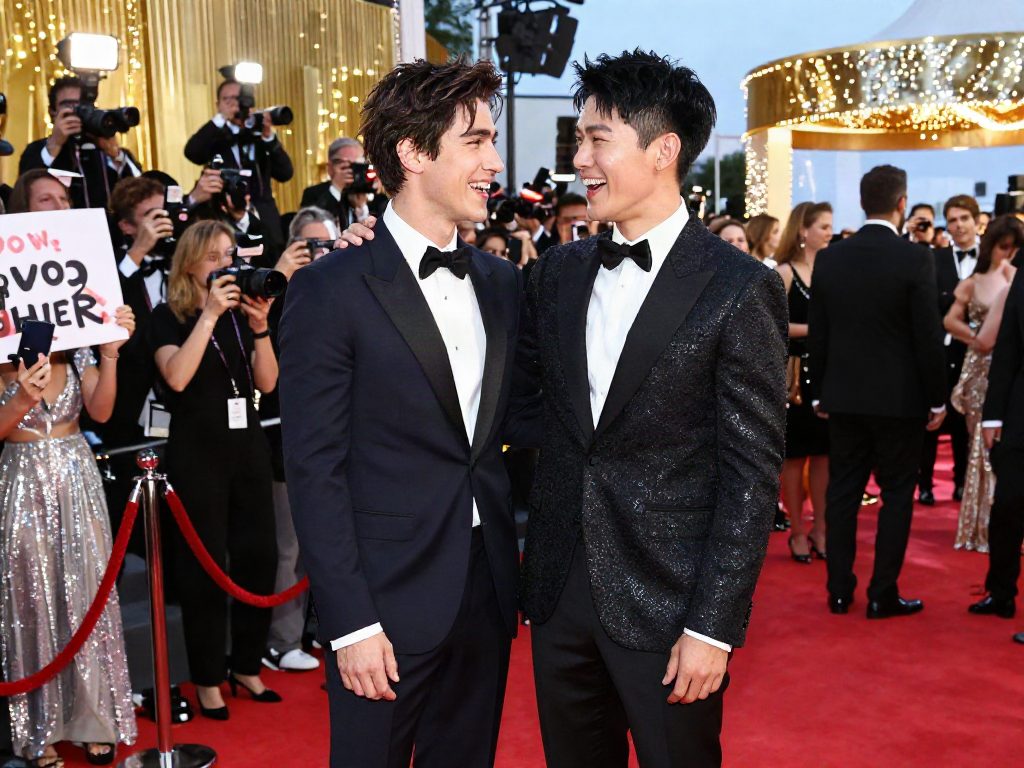
When celebrities with striking similarities go public or engage in collaborations, they often set or shift fashion trends. For example, when similar-looking stars appear together at events, their stylings can prompt fans to emulate their looks. This cascading effect of influence is vital for brands that seek to tap into the allure of celebrity culture to promote their products. The fashion industry thrives on these likenesses, pushing boundaries and encouraging creativity inspired by two stars who resemble each other.
Social Media and Look-Alike Phenomenon
With the rise of platforms like Instagram and TikTok, the phenomenon of celebrity look-alikes has gained a new dimension. Users frequently share side-by-side comparisons of look-alikes, creating viral content that generates discussions and debates among fans. The interactive nature of social media allows for a communal experience, where followers enjoy engaging with and reacting to similar faces. The look-alike trend not only entertains but also cultivates a sense of belonging among fans who revel in the imagined connections between celebrities.
Marketing Strategies Leveraging Look-Alikes
Brands are increasingly recognizing the marketing potential of celebrity look-alikes. By aligning products with popular figures who share resemblances, companies can draw in fan bases eager to connect with products associated with their icons. Employing look-alikes in advertising campaigns allows brands to capitalize on the curiosity and fascination surrounding celebrity comparisons, ultimately generating interest and sales.
Challenges in Identifying Look-Alikes
While the phenomenon of celebrity look-alikes is engaging, several challenges complicate the process of identifying them. These challenges often stem from misconceptions, scientific factors, and ethical considerations that require careful navigation.
Common Misconceptions About Look-Alike Celebrities
A prevalent misconception is that look-alikes are identical or nearly indistinguishable from each other. In reality, while many celebrities may share certain features, they often retain unique characteristics that define their personal identities. Recognizing these differences is essential, as it enhances our appreciation for individualism in an increasingly interconnected world.
The Science of Facial Recognition
The science behind facial recognition is intricate and highlights the nuances of human perception. Cognitive psychology explains that our brains often group faces based on similarities, which can lead to the false assumption that some celebrities look remarkably alike when, in fact, they may only share a few resemblances. Understanding this concept encourages deeper exploration of what constitutes similarity and how it impacts the public’s view of celebrity culture.
Ethical Considerations in Celebrity Comparisons
Ethical aspects also come into play when discussing look-alikes. The potential for objectification or unfair comparisons can lead to negative consequences for the individuals involved. It is crucial to approach discussions about celebrity look-alikes with sensitivity, acknowledging their humanity beyond the superficial similarities. Ethical considerations involve respecting personal boundaries while enjoying the playful nature of comparisons.
Techniques for Tracking Celebrity Look-Alikes
Various techniques have emerged for tracking and identifying celebrity look-alikes, leveraging both traditional methods and modern technologies. As fans and marketers alike seek to engage with this phenomenon, tools for recognition continue to evolve.
Utilizing Social Media Analytics
Social media platforms provide a bounty of data for identifying look-alikes. By analyzing trending posts and hashtags, brands and fans can track popular comparisons and emerging look-alike phenomena. Analytical tools can help determine which pairs are gaining traction in discussions and why, providing insights into audience preferences.
Visual Recognition Technologies and Apps
The advent of image recognition technology has revolutionized the way we identify look-alikes. Applications leveraging artificial intelligence can scan databases of celebrity images to find matches based on facial features. These technologies simplify the process of comparing looks and provide entertainment value for users interested in celebrity culture.
Case Studies on Successful Look-Alike Campaigns
Various brands have executed successful campaigns using look-alikes, leveraging their likeness to boost consumer engagement. One notable case study involved a cosmetics brand that utilized look-alikes of popular influencers to promote a new product line. The campaign not only generated buzz but also encouraged conversations about beauty standards, identity, and representation, showcasing the multifaceted nature of celebrity culture.
Future Trends in Celebrity Look-Alike Research
As societal interests evolve, so do the methods and technologies used to study celebrity look-alikes. The future promises exciting developments in this field, with several emerging trends likely to shape the landscape.
Emerging Technologies for Identifying Look-Alikes
As machine learning and artificial intelligence continue to advance, future tools for identifying celebrity look-alikes will become increasingly sophisticated. Enhanced algorithms will enable deeper analysis of facial features, creating more accurate representations of similarity. These technologies have the potential to revolutionize how fans and marketers engage with celebrity culture and look-alike phenomena.
Predictions for 2026 and Beyond
Looking ahead to 2026, we can expect an even more profound integration of look-alike identification tools in both entertainment and marketing sectors. Social media influencers may enhance their brand collaborations by showcasing look-alikes, fostering a community driven by shared likenesses. Additionally, we may see an increase in niche markets dedicated to doppelgänger merchandise and content, appealing to the growing fascination with celebrity comparisons.
How Brands Can Prepare for Upcoming Trends
Brands aiming to capitalize on the look-alike phenomenon should prepare for these upcoming trends by investing in robust social media strategies. Engaging with audiences through interactive content, including polls on celebrity likenesses, will enhance brand visibility and involvement. Brands must also stay abreast of technological advancements to effectively utilize emerging tools for audience engagement and product promotion.
What are the most famous celebrity look-alikes?
Numerous celebrity look-alikes have captured public attention over the years. Pairs like Sarah Hyland and Mila Kunis or Helen Hunt and Jodie Foster often feature prominently in discussions of notable doppelgängers. These familiar pairs serve as a reminder of the fascination surrounding appearances and identity.
Which celebrities look alike but are not related?
Among the many celebrity look-alikes, several pairs are not related yet share an uncanny resemblance. For instance, Jennifer Connelly and Demi Moore both have strikingly similar features despite their differing backgrounds and life stories. This phenomenon emphasizes the complexities within our perceptions of identity.
How do I find celebrities that look alike?
Finding celebrities that look alike can be an enjoyable exploration. Social media platforms, especially visual-centric ones like Instagram and TikTok, allow users to search for look-alike comparisons. Additionally, various apps and websites dedicated to celebrity look-alikes provide tools for discovering and sharing similarities.
Are there apps that match celebrities based on looks?
Yes, numerous apps are designed to match users with celebrity look-alikes. These applications leverage facial recognition technology to analyze users' photos and suggest celebrities with similar facial features. As technology advances, these applications become more sophisticated and user-friendly, making them popular among fans and curious users alike.
Why do some celebrities look so similar?
The similarities among some celebrities can often be attributed to genetics, shared backgrounds in modeling or acting, and even evolving beauty standards. Additionally, as society defines beauty through a lens influenced by popular media, it leads to the emergence of trends that favor specific physical traits, resulting in an increase in look-alikes within the same industry.