Understanding Roof Cleaning
What is Roof Cleaning?
Roof cleaning is the process of removing dirt, debris, algae, moss, lichen, and other contaminants from the surface of a roof. This cleaning not only restores the roof's appearance but also enhances its lifespan and structural integrity. Given the significant investment a roof represents for homeowners, regular maintenance is crucial. Without proper roof cleaning, a roof can accumulate unsightly stains that could lead to structural issues if left untreated. To ensure optimal results, many homeowners opt for professional Roof Cleaning services.
Common Roof Contaminants
Several contaminants can plague your roof, leading to decreased efficiency and potential damage. The most common include:
- Algae: Often appearing as dark streaks, algae thrive on moisture and can be detrimental to roofing materials over time.
- Moss: Moss can grow in shaded areas and can lift shingles, allowing moisture to penetrate beneath them.
- Lichen: This fungus can attach itself firmly to the roof, causing erosion over time and making it harder to remove.
- Debris: Leaves, twigs, and branches can accumulate on the roof, leading to mold growth and drainage issues.
Benefits of Regular Roof Cleaning
Regular roof cleaning comes with numerous advantages:
- Extended Lifespan: By removing harmful contaminants, you extend the life of your roofing materials, saving on costly repairs or replacements.
- Enhanced Aesthetics: A clean roof significantly improves the overall look of your home, increasing curb appeal.
- Energy Efficiency: Removing algae and debris can help regulate cooling systems, potentially reducing energy bills.
- Preventative Maintenance: Regular cleaning allows early detection of potential issues, enabling proactive fixes before more significant damage occurs.
Methods of Roof Cleaning
Soft Washing Techniques
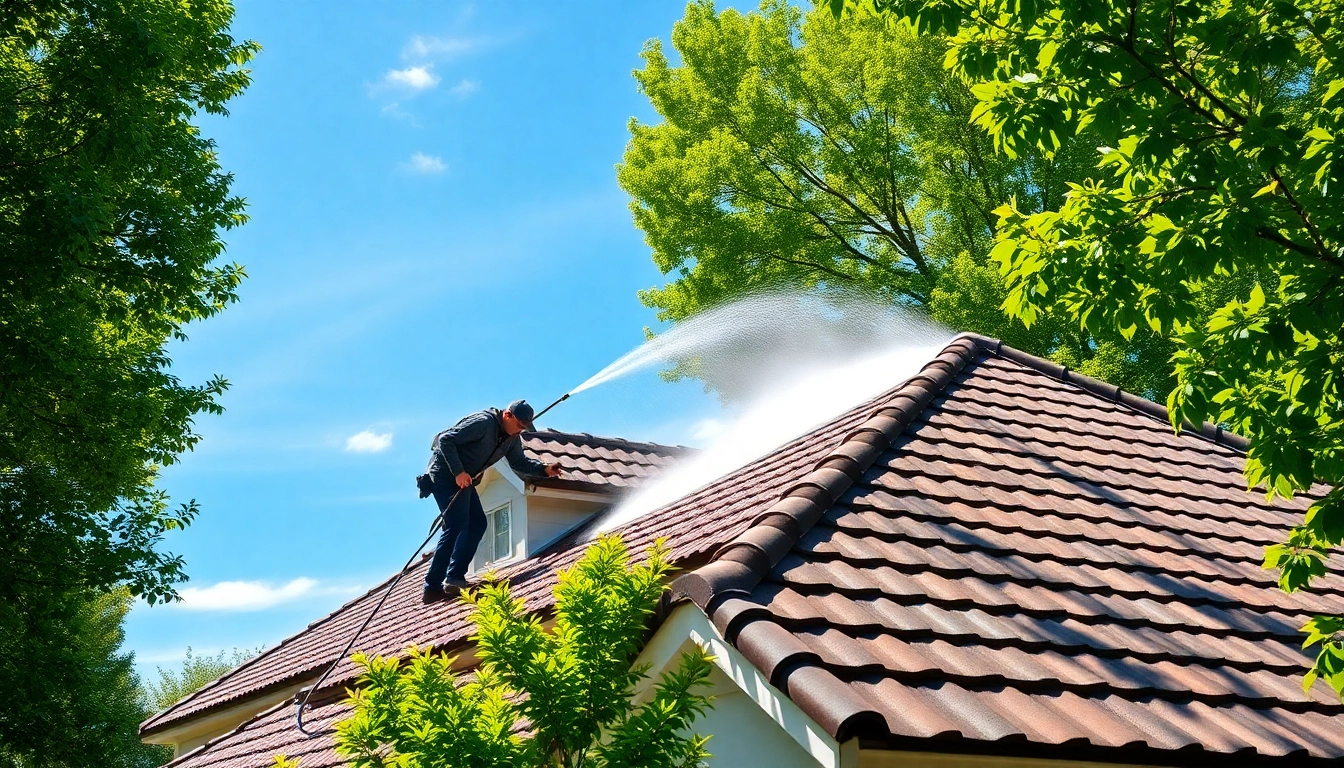
Soft washing is a popular method for roof cleaning, particularly effective for removing algae and moss. This technique employs low-pressure water combined with specialized cleaning solutions. The benefits of soft washing include:
- No Damage: Unlike high-pressure washing, soft washing minimizes the risk of damaging shingles.
- Effective Killing of Contaminants: The combination of detergents and low pressure ensures that contaminants are effectively eradicated at the root level.
- Longer Lasting Results: Soft washing can inhibit the growth of new contaminants for a longer period compared to traditional methods.
Pressure Washing Considerations
Pressure washing is a more aggressive approach to roof cleaning. While it may be effective for removing dirt and debris, it comes with risks:
- Possible Damage: High pressure can strip shingles, causing premature deterioration and leaks.
- Improper Technique Risks: Without expertise, the pressure washing method can cause more harm than good.
- Water Infiltration: Improper techniques can force water under shingles, leading to hidden mold and damage.
For these reasons, professionals often recommend soft washing over pressure washing for roof cleaning.
Chemical Solutions for Stain Removal
Chemical solutions play a crucial role in stain removal during roof cleaning. These solutions typically consist of biodegradable compounds designed to dissolve algae, moss, and lichen without harming the roofing material. Common chemical solutions include:
- Sodium Hypochlorite: Often used in soft washing, it effectively eliminates mold and mildew.
- Potassium Salts: These are milder alternatives that can inhibit regrowth without causing damage.
- Biocides: Formulated specifically for roof cleaning, these are eco-friendly and target a range of contaminants.
Choosing a Roof Cleaning Service
What to Look for in a Service Provider
Selecting the right roof cleaning service is integral to achieving the best results. Key factors to consider include:
- Experience: Look for companies with established expertise in roof cleaning. Experience leads to better results and customer satisfaction.
- Reviews and References: Seek feedback from past clients to gauge service quality and reliability.
- Insurance and Certification: A legitimate cleaning service should have liability insurance and the appropriate certifications to protect you in the event of accidents.
Questions to Ask Before Hiring
Before finalizing your choice, consider asking these important questions:
- What cleaning methods do you use? Understanding their technique will help you gauge safety and effectiveness.
- Can you provide a written estimate? This ensures you know what to expect financially.
- What warranties or guarantees do you offer? This can provide peace of mind regarding the longevity of their work.
Understanding Quotes and Estimates
When you receive a quote for roof cleaning, it's important to understand what factors influence the pricing. Typical considerations include:
- The size and slope of your roof can directly impact the amount of time and resources required.
- The level of contamination will affect how intensive or extensive the cleaning needs to be. More challenging environments may incur higher costs.
- Additional services, such as gutter cleaning, may be bundled into the roof cleaning estimate, influencing the total.
DIY Roof Cleaning Tips
Essential Tools and Equipment
If you choose to clean your roof yourself, it’s vital to gather the right tools beforehand, including:
- Soft Wash System: This is essential for applying cleaning solutions gently.
- Ladder: Ensure it is sturdy and tall enough to safely reach your roof.
- Protective Gear: Safety goggles, gloves, and a mask will protect you from chemicals and debris.
Step-by-Step Cleaning Guide
Cleaning your roof can be broken down into manageable steps:
- Inspect the roof for any damage before starting.
- Remove any large debris manually using a broom.
- Mist the roof with water to prevent the cleaning products from drying out too quickly.
- Using a soft wash system, apply the cleaning solution starting from the top of the roof working downward.
- Allow the solution to sit as recommended, then rinse thoroughly, making sure to clear any residue.
Safety Precautions to Consider
Safety should always be a priority when cleaning your roof:
- Use Proper Ladder Techniques: Always ensure the ladder is stable and positioned correctly.
- Avoid Slippery Conditions: Clean your roof on a dry day to prevent slip hazards.
- Wear Protective Gear: As mentioned, always wear safety goggles and protective clothing.
Frequently Asked Questions
How often should I clean my roof?
Typically, roofs should be cleaned every 1-3 years, depending on environmental conditions and type of roof materials.
Can roof cleaning damage my shingles?
If done incorrectly, yes. Using appropriate techniques like soft washing is key to preserving the integrity of shingles.
Are there eco-friendly options for roof cleaning?
Many companies offer eco-friendly cleaning solutions that effectively remove stains and protect the environment.
What is the average cost of roof cleaning?
Cost typically ranges from $300 to $600, influenced by roof size and cleaning method employed.
Can I clean my roof myself?
Yes, but prioritize safety. If unsure or inexperienced, hiring a professional may be more effective for your roof's health.