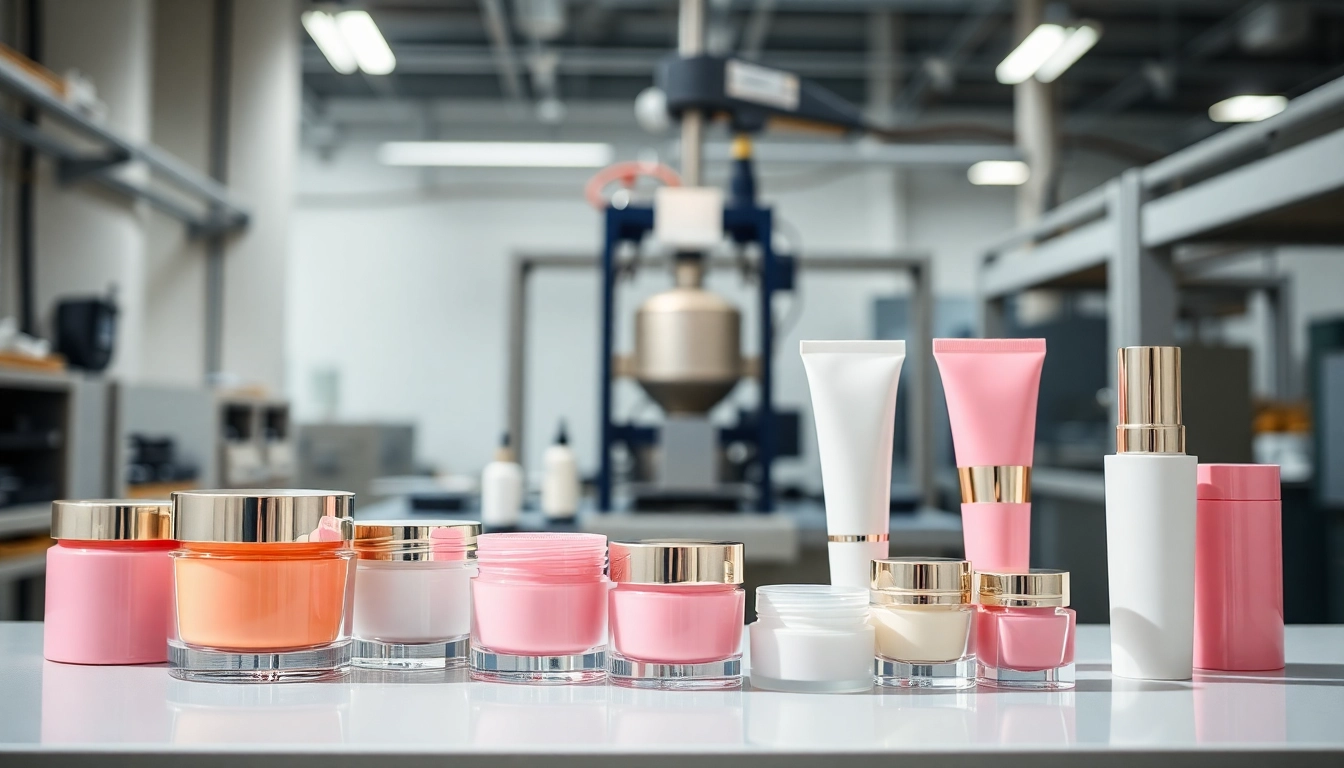
Understanding Cosmetic Contract Packaging
Definition and Importance
Cosmetic contract packaging is a service that allows beauty brands to outsource the packaging of their products to a specialized provider. This process can significantly enhance efficiency and quality, as contract packagers employ advanced technology and industry expertise to deliver packaging solutions tailored for cosmetics. Outsourcing this vital function lets brands concentrate on their core competencies, like formulation and marketing, while benefiting from a streamlined production process.
The importance of cosmetic contract packaging lies in its ability to offer a reliable way for brands to maintain quality and ensure that their products meet market standards. As consumer demand for innovative and aesthetically pleasing packaging rises, leveraging cosmetic contract packaging can be the key to standing out in a competitive beauty landscape.
Key Benefits for Brands
- Cost Efficiency: Reduces overhead by eliminating the need for in-house packaging operations.
- Quality Assurance: Expert contract packagers apply high quality standards, reducing the likelihood of defects.
- Speed to Market: Quick turnaround times allow brands to launch new products faster.
- Focus on Core Functions: Brands can concentrate on marketing and product development without getting sidetracked by packaging logistics.
- Regulatory Compliance: Skilled packagers are familiar with industry regulations and standards, ensuring compliance.
Common Industries Utilizing Services
Although the cosmetic industry is the most prominent user of contract packaging services, other sectors, such as personal care, pharmaceuticals, and specialty foods, also adopt these services. Companies in these industries turn to contract packagers for cost savings, efficiency, and expertise in handling complex projects that demand precision and quality control.
Types of Cosmetic Contract Packaging Services
Filling and Sealing Techniques
A range of filling and sealing methods are available for cosmetic products, including tube filling, jar filling, and bottle filling. Each technique is designed for different types of formulations, ensuring that the products remain intact during transit and storage. For instance, jar filling is ideal for thicker products, such as creams or ointments, while tube filling suits lighter creams or gels where precision is key.
The sealing process is equally important; effective sealing not only preserves the product but also enhances its shelf life. Modern techniques, such as ultrasonic sealing and thermal sealing, offer reliable options that maintain product integrity while meeting consumer expectations for quality and convenience.
Labeling and Branding Options
Labeling is a critical component of cosmetic packaging, as it provides essential information to consumers, including product ingredients, usage instructions, and branding. Contract packagers can assist brands in developing eye-catching designs that reflect their brand identity and resonate with target audiences.
From shrink sleeves to pressure-sensitive labels, various labeling options suit different packaging types. Additionally, digital printing technology has revolutionized labels, allowing for short runs and personalized labeling solutions which can help smaller brands establish a unique market presence.
Sustainable Packaging Solutions
As environmental consciousness rises, brands are searching for sustainable packaging solutions. Contract packagers can provide eco-friendly materials, such as biodegradable plastics and recycled content, that cater to consumers’ preferences for greener products.
Moreover, sustainable packaging doesn’t just serve environmental goals; it can also enhance brand reputation and meet the growing demand for sustainable practices in consumer decisions. Brands that prioritize sustainability can attract dedicated customers who value environmental responsibility.
Choosing the Right Partner for Cosmetic Contract Packaging
Assessing Manufacturer Capabilities
When selecting a contract packaging partner, brands must evaluate their potential partner's capabilities. Key factors include the range of packaging services offered, technological advancements, and specialized certifications relevant to cosmetic products. A robust capabilities assessment ensures that brands select a partner that aligns with their specific needs and quality expectations.
Quality Control Processes
Quality control is paramount in cosmetic contract packaging. Brands should inquire about their potential partner's quality assurance measures, including testing procedures, auditing processes, and compliance with industry standards. A reliable partner will have rigorous quality control mechanisms in place to guarantee product safety and effectiveness, providing peace of mind to brands and consumers alike.
Evaluating Flexibility and Scalability
The cosmetic industry is subject to rapid changes in demand and trends, making it essential for brands to choose a contract packaging partner that can offer both flexibility and scalability. A partner that can pivot quickly in response to market shifts and support brands during peak production times can significantly enhance a brand's competitive edge and operational efficiency.
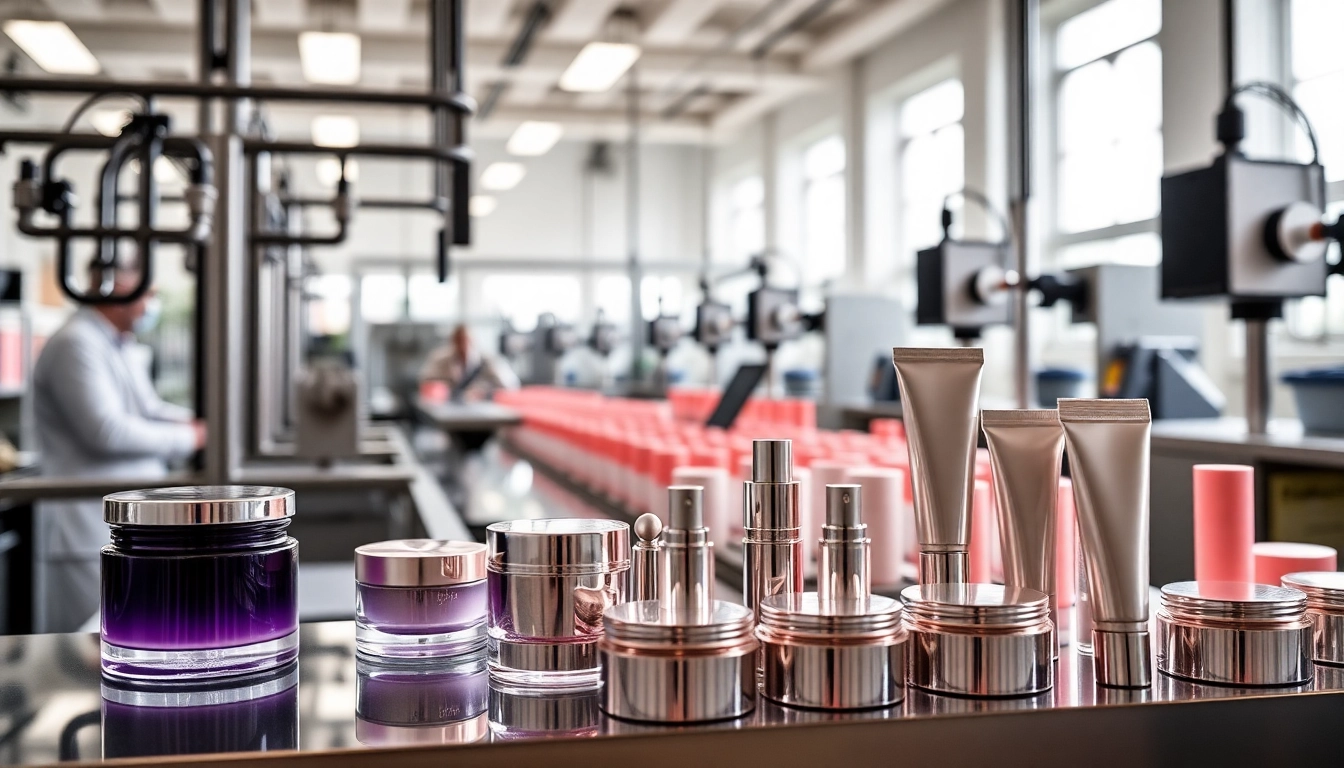
Cost Considerations in Cosmetic Contract Packaging
Budgeting for Services
Budgeting for cosmetic contract packaging services requires careful consideration of all associated costs, including materials, labor, and logistics. Brands should conduct a comprehensive cost analysis that factors in their production volume, packaging preferences, and the specific services they require from their contract packaging partner. This thorough approach allows brands to make informed financial decisions that can impact their bottom line.
Understanding ROI on Packaging
Understanding the return on investment (ROI) related to packaging is crucial for any brand's growth strategy. Effective packaging not only enhances product appeal but also influences purchases and customer loyalty. Brands can improve ROI by collaborating with contract packagers who understand the importance of design and quality in driving sales.
Negotiating Contracts
Negotiation is a key component in establishing a successful partnership with a contract packaging provider. Brands should be prepared to discuss their requirements, budget limitations, and timelines upfront. Transparent negotiation can lead to mutually beneficial arrangements, securing favorable pricing and terms while ensuring that quality standards remain uncompromised.
Future Trends in Cosmetic Contract Packaging
Technological Innovations
The future of cosmetic contract packaging is closely tied to technological advancements. Innovations such as automation, artificial intelligence, and smart packaging are reshaping the industry. Automation allows for faster and more efficient filling and labeling processes, while AI can enhance quality control by identifying defects earlier in the packaging cycle.
Additionally, smart packaging technologies, such as QR codes and augmented reality features, enhance consumer engagement by providing interactive experiences and in-depth product information.
Changing Consumer Preferences
Consumers are increasingly prioritizing experiences and personalization over traditional shopping approaches. This shift in consumer behavior influences packaging strategies, driving brands to seek out personalized packaging options that reflect individual customer preferences. Staying ahead of these trends will challenge brands and their partners to innovate continuously in packaging design and functionality.
Impact of Regulations on Packaging Choices
Regulatory compliance will continue to shape the packaging landscape. As governments and industry organizations establish stricter regulations regarding product safety, labeling, and environmental impact, brands need to remain vigilant in navigating these frameworks. A knowledgeable contract packaging partner can assist in ensuring compliance, allowing brands to focus on their core business while minimizing legal risks.
FAQs about Cosmetic Contract Packaging
What is cosmetic contract packaging?
Cosmetic contract packaging involves outsourcing the packaging of beauty products to specialized service providers, allowing brands to focus on product development and marketing.
What are the benefits of using contract packaging?
Benefits include cost efficiency, enhanced quality assurance, faster product launch times, and the ability to meet regulatory standards without dedicated resources.
How do I choose the right packaging partner?
Evaluate potential partners based on their capabilities, quality control processes, flexibility, scalability, and ability to meet your unique packaging requirements.
What should I consider in my packaging budget?
Consider all associated costs, including materials, labor, logistics, and potential fluctuations in demand, to create a comprehensive and realistic budget.
How will technology influence future packaging solutions?
Technology will bring innovations such as automation, AI, and smart packaging, enhancing efficiency and interactivity, while also meeting evolving consumer preferences.