Understanding Bed Bug Heat Treatment
What is Bed Bug Heat Treatment?
Bed bug heat treatment is a method used to eradicate bed bugs through the application of heat. This technique is gaining popularity due to its effectiveness and chemical-free nature. By raising the temperature of infested areas to a level that is lethal to bed bugs, this process can eliminate all life stages of these pests, including eggs. Notably, bed bug heat treatment is favored for being non-toxic, making it a preferred choice for families and pets. For those looking for detailed assistance on this topic, bed bug heat treatment options are widely available.
How Does It Work?
The effectiveness of bed bug heat treatment lies in its ability to raise temperatures to at least 120°F (49°C) for a sustained period. Technicians strategically place heaters to ensure that every part of the infested space reaches this temperature. Studies have shown that when bed bugs are exposed to temperatures above 118°F (48°C) for 90 minutes or more, they cannot survive. This method targets not just visible bed bugs but also those hidden in cracks, crevices, and fabrics, ensuring comprehensive extermination.
Benefits of Bed Bug Heat Treatment
- Non-Toxic: Unlike chemical treatments, heat treatment does not rely on pesticides, making it safer for children and pets.
- Fast Results: Many heat treatments can be completed in a single day, reducing the disruption to your daily life.
- Kills All Life Stages: This method effectively kills bed bugs at all life stages, including eggs, preventing future infestations.
- No Residue: Since no chemicals are used, you won't have to deal with any harmful residues after treatment.
- Comprehensive Coverage: The heat penetrates various materials like mattresses and upholstery, reaching hidden bugs.
Preparing for Heat Treatment
Initial Inspection and Assessment
Before the heat treatment begins, a thorough inspection of the affected areas must be conducted. Pest control professionals will look for signs of infestation, including live bugs, shed skins, and fecal spots. This evaluation identifies the severity of the infestation and helps tailor the treatment plan accordingly. A detailed assessment ensures that all affected areas are treated effectively and minimizes the chance of overlooking any hotspots.
How to Prepare Your Home
Preparing your home for bed bug heat treatment is crucial for its success. Homeowners should:
- Clear the area of personal belongings, including clothing, toys, and electronics, to provide unimpeded access for the heat treatment equipment.
- Remove any items that may be sensitive to high temperatures, such as candles, plants, and certain electronics.
- Wash all bedding and linens in hot water and dry them on high heat to kill any nearby bed bugs.
- Vacuum the infested area thoroughly prior to treatment to remove any visible bugs and debris.
Identifying Affected Areas
Identifying which areas of your home are affected by bed bugs is a critical step in the preparation process. Commonly infested locations include:
- Mattresses and Box Springs
- Bed Frames and Headboards
- Couches and Upholstered Furniture
- Baseboards and Wall Cracks
- Closets and Dressers
A comprehensive identification process ensures that the heat treatment is adequately targeted, maximizing its effectiveness.
The Heat Treatment Process Explained
Equipment Used in Bed Bug Heat Treatment
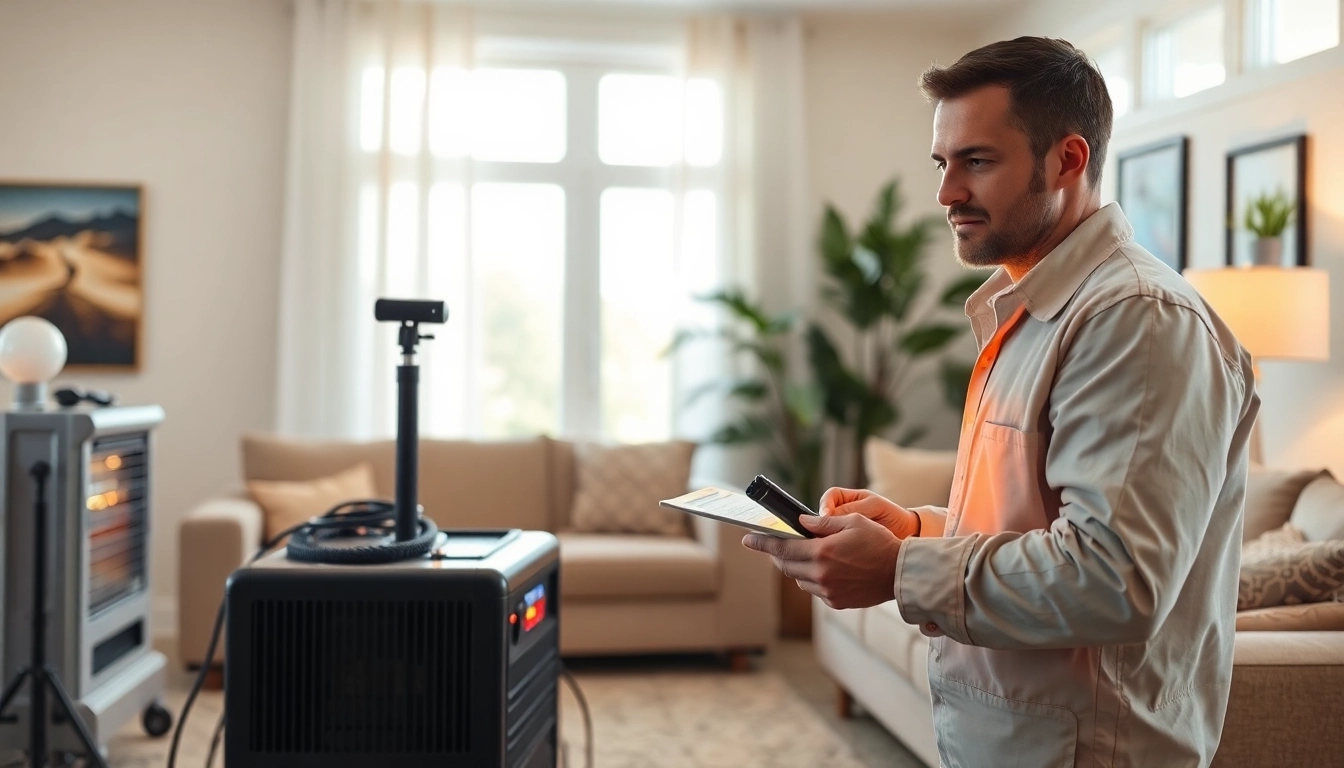
The equipment used in bed bug heat treatment is specialized to ensure effective and safe application. Key pieces of equipment include:
- Heaters: High-powered heaters are used to elevate the room temperature swiftly to the target range.
- Thermal Sensors: Professional pest control technicians utilize sensors to monitor the ambient temperature in real-time, ensuring it remains consistent.
- Fans: Fans are used to distribute heat evenly throughout the treatment area, preventing cold spots where bed bugs could survive.
- Thermal Blankets: In some cases, thermal blankets help retain heat in targeted areas, ensuring a more effective treatment.
Typical Treatment Duration and Expectations
The total duration of a bed bug heat treatment can vary depending on the infestation level and size of the area being treated. Generally, a typical treatment lasts between 6 to 8 hours. Post-treatment, higher temperatures are maintained for effective extermination. Homeowners should be prepared to vacate their premises for the duration of the treatment, ensuring both their safety and the treatment's effectiveness. Technicians will give a thorough explanation of what to expect both during and after the heat treatment process.
Post-Treatment Actions and Follow-up
After the heat treatment is complete, specific follow-up actions are necessary for ensuring long-term effectiveness:
- Wait at least 4-6 hours before re-entering treated areas to ensure all heat dissipates safely.
- Inspect the spaces after treatment to determine effectiveness; look for any remaining bed bugs or issues.
- Schedule any necessary follow-up inspections within a couple of weeks to confirm the eradication and take corrective action if necessary.
- Continue preventive measures, such as regular cleaning and monitoring for signs of re-infestation.
Common Misconceptions About Heat Treatment
Is it Safe for Pets and Children?
One of the most significant advantages of bed bug heat treatment is its safety for pets and children, provided the process is conducted professionally. Since heat treatment minimizes the need for chemicals, it stands out as a preferred method for families concerned about chemical exposure. However, all inhabitants, including pets, must be evacuated from the space during treatment to ensure maximum safety.
Does it Really Kill All Life Stages?
Yes, bed bug heat treatment is effective against all life stages, including eggs, which is a significant benefit. Research indicates that to achieve complete extermination, temperatures must remain elevated for a suitable period. This effectiveness differentiates heat treatment from chemical applications, which may not kill eggs or can lead to resistant populations.
Comparing Heat Treatment with Chemicals
When comparing heat treatment with traditional chemical treatments, several distinctions emerge. Chemical methods may necessitate multiple applications, can be toxic, and may not penetrate all surfaces thoroughly. In contrast, heat treatment can eradicate pests in one day and is completely non-toxic, making it a more appealing choice for many homeowners looking for safe and efficient pest control.
FAQs About Bed Bug Heat Treatment
1. How long does bed bug heat treatment take?
Bed bug heat treatment typically takes between 6 to 8 hours, depending on the size and severity of the infestation.
2. Is bed bug heat treatment effective on all surfaces?
Yes, heat treatment can effectively penetrate various surfaces like fabrics, wood, and upholstery, reaching hidden pests.
3. Are there pre-treatment preparations I should make?
Yes, prepare by clearing the area, washing bedding and linens in hot water, and vacuuming the premises thoroughly.
4. What is the cost of a bed bug heat treatment?
The cost varies depending on factors such as the size of the area and severity of infestation, averaging between $500 to $2,500.
5. How do I know if the treatment was successful?
Follow-up inspections and monitoring for signs of bed bugs in the weeks following treatment can determine effectiveness.