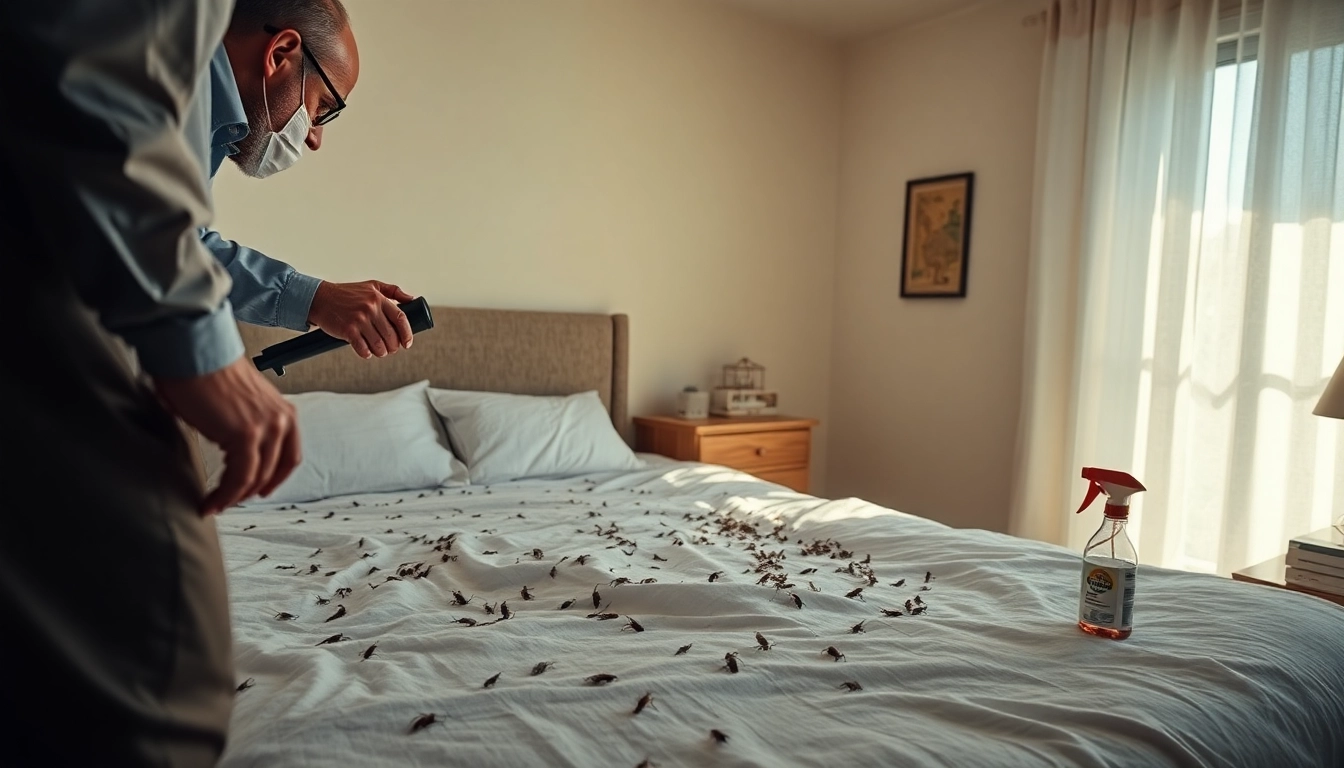
Understanding Bed Bug Pest Control
Bed bugs are nocturnal pests known for their ability to latch onto human hosts, causing discomfort through their bites. Understanding the complexities of bed bug pest control is vital to effectively manage or prevent an infestation in your living space.
What Are Bed Bugs?
Bed bugs (Cimex lectularius) are small, reddish-brown insects that feed exclusively on the blood of humans and animals. Adult bed bugs are roughly the size of an apple seed and can be visually identified by their flat, oval shape. These pests thrive in warm, humid environments and are commonly found in areas close to where people sleep, such as beds, couches, and luggage.
Life Cycle of Bed Bugs
Understanding the life cycle of bed bugs is critical for effective pest control. Bed bugs undergo an incomplete metamorphosis with the following stages:
- Eggs: Tiny, white, and approximately 1mm long, the eggs are often laid in clutches of 5–14.
- Nymphs: After about 6 to 10 days, the eggs hatch into nymphs, which are smaller versions of adult bed bugs. Nymphs will molt up to five times before reaching adulthood, requiring a blood meal at each stage.
- Adults: It takes approximately 5 weeks for nymphs to mature into adults under favorable conditions. Adult bed bugs can live for several months without feeding.
Signs of Infestation
Identifying a bed bug infestation early is crucial for successful control. Look for the following signs:
- Dark spots (excrement) on bedsheets or mattress seams.
- Beds or furniture with a sweet, musty odor.
- Visible bed bugs or shed skins in hidden areas.
- Bites on the skin, usually on exposed areas while sleeping.
Preparing for Bed Bug Pest Control
Initial Inspection Steps
Before commencing control efforts, perform a thorough inspection of your living space. Focus especially on areas such as:
- The seams and tufts of mattresses and box springs
- Bed frames and headboards
- Baseboards and moldings
- Upholstered furniture and behind picture frames
Preparing Your Living Space
Preparing your space is essential for successful bed bug treatments. Follow these preparatory steps:
- Remove bedding and wash it in hot water, drying it on high heat.
- Vacuum your home thoroughly, focusing on affected areas, and dispose of the vacuum bag outside.
- Clear clutter around beds and living spaces to minimize hiding spots.
Gathering Necessary Supplies
Gather the necessary supplies for your pest control process. These may include:
- Bed bug mattress encasements to protect against future infestations.
- Steam cleaners for treating furniture and beds.
- Pesticides specifically labeled for bed bugs, if applicable.
- Plastic bags for sealing infested materials.
Effective Techniques for Bed Bug Pest Control
Heat Treatment Methods
Heat treatment is a highly effective method for eliminating bed bugs at all life stages. This process involves raising the temperature of the infested areas to about 118°F (48°C) for at least 90 minutes, ensuring all bed bugs are killed. Specialized heaters or professional services can aid in this method, ensuring effective coverage without damaging your belongings.
Chemical Treatments and Safety
Chemical treatments can also be a part of an integrated pest management approach. Many professionals use pesticides containing pyrethrins and pyrethroids, which have proven effective against bed bugs. Safety is paramount when using chemicals:
- Follow label instructions carefully.
- Ensure proper ventilation in treated areas.
- Keep pets and children away from treated zones until deemed safe.
Integrated Pest Management Approaches
An Integrated Pest Management (IPM) approach combines multiple strategies for maximum efficiency. This may include:
- Regular monitoring and inspections to catch infestations early.
- Employing both chemical and non-chemical treatment methods.
- Education and awareness to prevent reintroduction of bed bugs to treated areas.
Preventing Future Infestations
Ongoing Monitoring Practices
After treatment, it’s vital to implement ongoing monitoring practices to prevent bed bug re-infestation. This can involve:
- Regular inspection of beds and furniture.
- Using bed bug interceptors under furniture legs to detect any activity.
- Keeping a log to track any signs of bed bugs over time.
Home Maintenance Tips
Sustained home maintenance can go a long way in preventing bed bug infestations. Implement these tips:
- Seal cracks and crevices in walls and around baseboards.
- Regularly wash bedding and vacuum carpets.
- Avoid bringing used furniture or clothing into your home without proper inspection.
Education and Awareness
Stay informed about bed bug behavior and prevention techniques. Educating yourself and your community can significantly affect the overall incidence of bed bug infestations.
Frequently Asked Questions About Bed Bug Pest Control
What should I do if I find bed bugs?
Immediately isolate infested items, wash bedding, and contact pest control for professional assistance.
How can I tell if a treatment is working?
Monitor for signs such as dead bugs, reduced biting incidents, and the absence of live specimens for several weeks.
Are home remedies effective against bed bugs?
Some home remedies may help with prevention but are rarely sufficient for full eradication. Professional treatments are often necessary.
How often should I treat my home for bed bugs?
Location and history of infestations dictate frequency. Regular monitoring can guide when additional treatments are necessary.
What are the costs associated with professional pest control?
Costs can vary significantly based on the extent of the infestation, treatment methods, and the size of the area affected. Consultation is usually recommended for estimates.