
Introduction
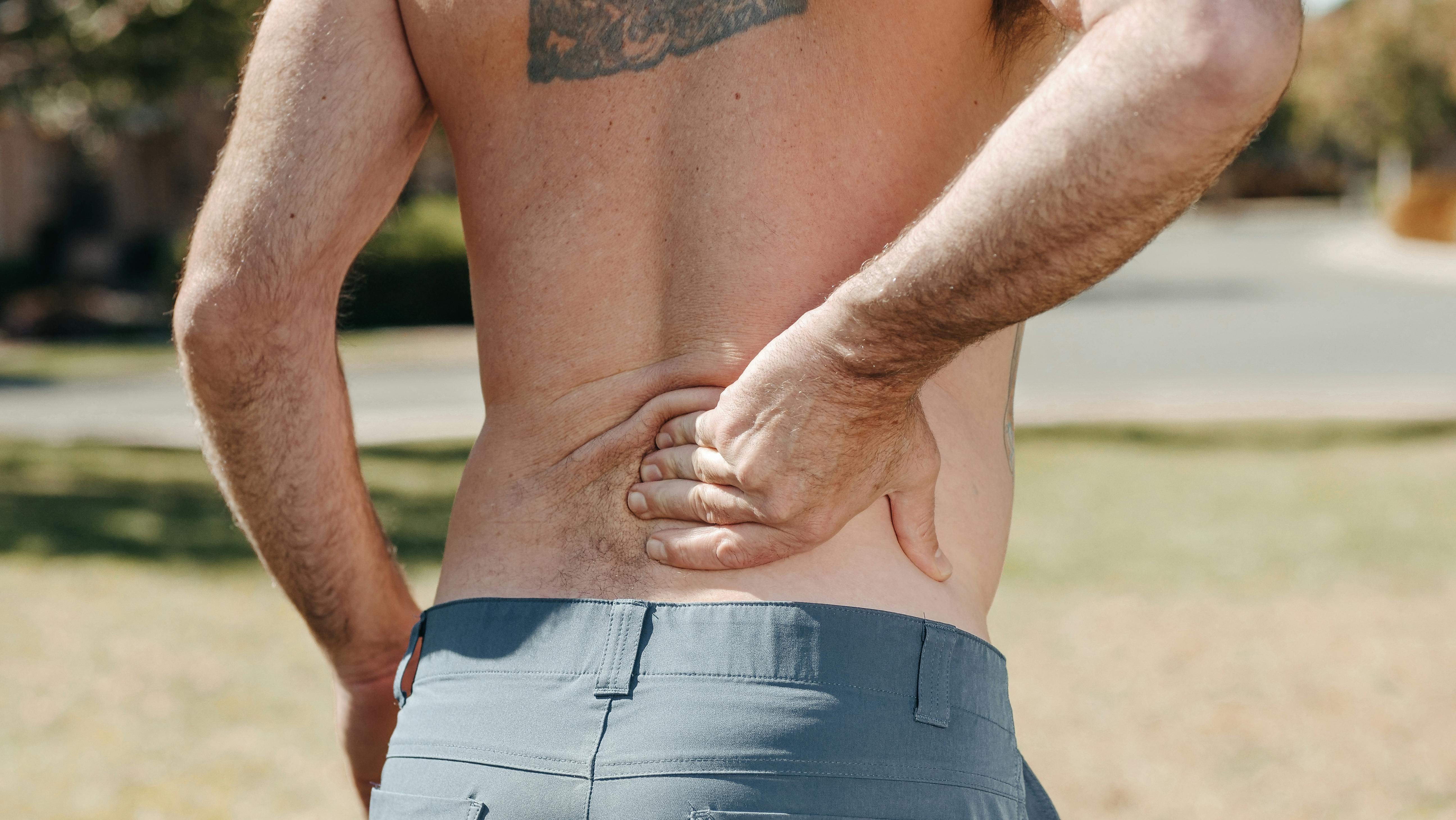
Back pain relief is a major concern for people of all ages because daily discomfort can affect work performance, sleep quality, physical activity, and emotional well-being. Back pain relief becomes important when poor posture habits begin to place excessive strain on the spine and muscles. Back pain relief is often connected to the way people sit, stand, walk, and even sleep throughout the day. Back pain relief can improve naturally when posture habits are corrected and spinal alignment is maintained properly. Back pain relief is not only about reducing pain temporarily but also about creating healthier long-term movement patterns. Back pain relief is possible when people become aware of how posture impacts muscles, joints, and overall body balance. Back pain relief should begin with identifying harmful habits that create tension in the neck, shoulders, and lower back. Back pain relief can be achieved through simple lifestyle changes that support proper body mechanics. Back pain relief becomes easier when healthy posture habits are practiced consistently during work, exercise, and relaxation. Back pain relief is strongly linked to posture because the spine functions best when it remains properly aligned. Back pain relief through better posture habits is one of the safest and most natural ways to improve comfort and spinal health over time.
Understanding the Connection Between Posture and Back Pain
How Poor Posture Affects the Spine
The spine is designed to support body weight while allowing movement and flexibility. When posture becomes poor, the natural curves of the spine are disrupted. Slouching, leaning forward, or sitting incorrectly can place extra pressure on muscles and joints.
Back pain relief often becomes difficult when these poor habits continue every day. The muscles in the back and shoulders become overworked, leading to stiffness, fatigue, and discomfort. Over time, poor posture may even contribute to chronic spinal problems.
The Impact of Modern Lifestyles
Modern lifestyles encourage long hours of sitting and screen use. Office workers, students, and smartphone users frequently spend hours with rounded shoulders and forward head posture. These habits create stress on the upper and lower back.
Back pain relief becomes necessary because prolonged sitting weakens supportive muscles and reduces flexibility. Correcting posture habits can help restore balance and reduce unnecessary pressure on the spine.
Why Better Posture Habits Matter
Proper Alignment Reduces Strain
Good posture keeps the body balanced and evenly distributes weight across muscles and joints. This reduces tension and allows the body to move naturally.
Back pain relief improves when the spine remains in a neutral position because muscles no longer need to overcompensate for poor alignment. Proper posture also helps improve breathing and circulation.
Healthy Posture Increases Energy
Poor posture forces the body to use more energy. Muscles become tired quickly when they constantly support incorrect body positioning.
Back pain relief often comes with increased energy levels because proper posture allows the body to function more efficiently throughout the day.
Common Poor Posture Habits That Cause Pain
Slouching While Sitting
One of the biggest causes of discomfort is slouching in chairs or couches. Leaning forward while using computers or phones places pressure on the lower back and shoulders.
Back pain relief becomes possible when sitting posture improves and the spine remains properly supported.
Forward Head Position
Many people unknowingly push their heads forward while using digital devices. This creates strain on the neck and upper back muscles.
Back pain relief can improve when the head stays aligned with the shoulders instead of leaning forward.
Standing Incorrectly
Standing with uneven weight distribution or locked knees may also contribute to discomfort. Poor standing posture places stress on the hips and lower back.
Practicing better standing habits may improve Back pain relief and reduce daily muscle fatigue.
Sleeping in Unhealthy Positions
Sleeping posture also affects spinal health. Poor mattress support or awkward sleeping positions may create tension in the back and neck.
Back pain relief often requires maintaining proper spinal alignment during sleep as well as during waking hours.
Simple Posture Habits for Better Spinal Health
Sit with Proper Support
Using supportive chairs and sitting upright helps reduce spinal strain. Feet should remain flat on the floor while the shoulders stay relaxed.
Back pain relief becomes easier when sitting posture supports the natural curve of the spine.
Keep Screens at Eye Level
Computers and phones should be positioned at eye level to avoid neck strain. Looking downward for long periods places stress on the upper spine.
Back pain relief may improve significantly when digital device posture is corrected.
Take Frequent Movement Breaks
Remaining in one position for too long increases stiffness and tension. Standing up, stretching, or walking every hour helps improve circulation and flexibility.
Back pain relief becomes more effective when movement becomes a regular part of daily routines.
Practice Core Strengthening Exercises
Strong core muscles help support the spine and maintain balance. Exercises such as planks, walking, and yoga may improve posture naturally.
Back pain relief often improves when supportive muscles become stronger and more stable.
The Role of Exercise in Better Posture Habits
Stretching Tight Muscles
Tight muscles in the shoulders, hips, and lower back can pull the body out of alignment. Stretching improves flexibility and reduces tension.
Back pain relief becomes more achievable when stretching is practiced consistently.
Strengthening the Back and Core
Weak muscles contribute to poor posture and instability. Strength training can improve spinal support and posture awareness.
Back pain relief may become long-lasting when the body develops stronger supportive muscles.
Walking for Better Alignment
Walking encourages natural movement and helps improve posture. It also strengthens muscles without placing excessive stress on the body.
Back pain relief through regular walking can improve mobility and overall spinal health.
Creating Better Workplace Habits
Adjusting Your Desk Setup
Workstations should support healthy posture. Chairs, keyboards, and screens should be positioned to reduce strain on the neck and back.
Back pain relief often depends on improving workplace ergonomics because many people spend most of their day sitting.
Using Supportive Equipment
Lumbar cushions, standing desks, and posture supports may help improve alignment during long work hours.
Back pain relief becomes easier when the work environment supports healthier body positioning.
Avoiding Long Periods of Sitting
Sitting continuously for several hours can weaken muscles and increase pressure on the spine.
Back pain relief may improve when workers take short standing or stretching breaks throughout the day.
Mental Health and Posture Connection
Stress Can Affect Posture
Stress often causes muscle tension in the shoulders and neck. Tight muscles pull the body into unhealthy positions.
Back pain relief becomes more effective when stress management techniques such as meditation and deep breathing are included in daily routines.
Confidence and Body Language
Good posture often improves self-confidence and emotional well-being. Standing tall creates a more positive appearance and reduces physical fatigue.
Back pain relief combined with better posture may also improve mental focus and daily productivity.
Long-Term Benefits of Better Posture Habits
Reduced Risk of Chronic Pain
Consistently practicing good posture can help prevent long-term spinal issues and muscle strain.
Back pain relief becomes more sustainable when posture habits improve gradually over time.
Improved Flexibility and Mobility
Healthy posture supports natural movement and flexibility. The body moves more comfortably when muscles and joints remain balanced.
Back pain relief often leads to greater freedom of movement during daily activities.
Better Physical Performance
Athletes and active individuals benefit from proper posture because it improves balance, coordination, and strength.
Back pain relief allows people to stay active and maintain healthier lifestyles.
Daily Routine for Better Posture
Morning Stretching
Starting the day with gentle stretching helps prepare the muscles and spine for movement.
Back pain relief can improve when flexibility exercises become part of a morning routine.
Mindful Sitting and Standing
Paying attention to posture throughout the day helps build healthier habits. Keeping the shoulders relaxed and spine aligned reduces unnecessary strain.
Back pain relief often requires consistent awareness of body positioning.
Evening Relaxation
Relaxing tight muscles at the end of the day may help reduce tension and discomfort. Warm baths, light stretching, or gentle movement can support recovery.
Back pain relief becomes more effective when the body is allowed to recover from daily stress.
Conclusion
Back pain relief through better posture habits is one of the most effective ways to improve spinal health naturally. Poor posture can place continuous strain on muscles, joints, and ligaments, leading to discomfort and reduced mobility. Back pain relief becomes more achievable when healthy habits such as proper sitting, standing, stretching, and movement are practiced consistently. Small adjustments in daily routines can create significant improvements in comfort and body alignment over time. Back pain relief is not only about temporary solutions but also about building long-term habits that support the spine and reduce stress on the body. By improving posture awareness, strengthening supportive muscles, and maintaining regular movement, individuals can experience better flexibility, higher energy levels, and reduced muscle tension. Back pain relief through better posture habits encourages healthier living and greater physical confidence. Consistency, movement, and posture awareness are key factors in achieving lasting comfort and maintaining a healthier, pain-free lifestyle.